Wondering what is à la carte? Learn how this flexible dining style works, what to expect from the menu, and why it suits relaxed meals and celebrations.
A menu arrives at the table and, rather than choosing from a fixed set of courses, you pick exactly what appeals: perhaps a starter to share, a favourite main, a side of buttery greens and a pudding if there is room. That is the simple answer to what is à la carte. It is dining with choice at its heart.
The phrase may sound formal, but à la carte is designed for the sort of meal people genuinely enjoy: one that moves at its own pace and gives everyone around the table something to look forward to. Whether you are meeting friends for a long lunch, taking the family out or marking an occasion, it lets each guest make the meal their own.
What does à la carte mean?
À la carte is a French term meaning “according to the menu”. In a restaurant, it describes a menu where dishes are individually priced and ordered separately. You select the courses and accompaniments you would like, rather than receiving a pre-set combination for one overall price.
A typical à la carte menu may include starters, mains, steaks or fish, sides, desserts and cheeses, with each section offering its own choices. You might have three courses, only a main course, or a few smaller dishes shared between the table. The decision is yours.
The accent in “à” is traditionally included, though you may also see “a la carte” written without it. Either way, the meaning is the same: choice, flexibility and dishes made to stand on their own.
À la carte versus a set menu
The main difference is straightforward. A set menu offers a limited selection of courses at a single stated price. Often, you choose one dish from two or three options for each course. It can be excellent value, particularly for a weekday lunch, a group booking or a special event where everyone needs to eat within a similar timeframe.
An à la carte menu gives you a wider choice, with prices shown beside each dish. One person can enjoy a light starter and a dessert, while another orders a generous main with a couple of sides. It suits mixed appetites and different occasions particularly well.
Neither option is automatically better. A set menu can make choosing easy and help you plan what you will spend. À la carte offers more freedom and a broader view of the kitchen’s cooking. The best choice depends on the occasion, the size of your party and how hungry everyone is feeling.
How the bill works
With à la carte dining, your bill is calculated by adding together the dishes, sides and drinks ordered. Some restaurants include certain accompaniments with a main course, while others offer them separately so diners can choose precisely what they would like on the table.
This is worth checking when you read the menu. A steak, for example, may be priced on its own, with chips, a sauce or seasonal vegetables available as additions. That is not a hidden extra so much as an opportunity to tailor the plate - though it helps to know before you order.
Why à la carte dining feels special
There is a quiet pleasure in taking your time over a good menu. You can start with something light, choose a comforting classic for the main event, and save space for dessert because the table is having such a good time. À la carte dining creates room for that kind of meal.
It also allows a kitchen to give individual dishes proper attention. Rather than building every meal around one fixed formula, the menu can celebrate a range of ingredients, cooking styles and seasonal ideas. You may find familiar pub favourites alongside dishes using French and English techniques, carefully prepared sauces and produce at its best for the time of year.
For diners, the benefit is variety without pressure. There is no need to order three courses simply because they come as a package, and no need to settle for a choice that does not quite suit you. If you want a leisurely dinner, you can make an evening of it. If you only have time for a main and a drink, that works too.
What to expect from an à la carte menu
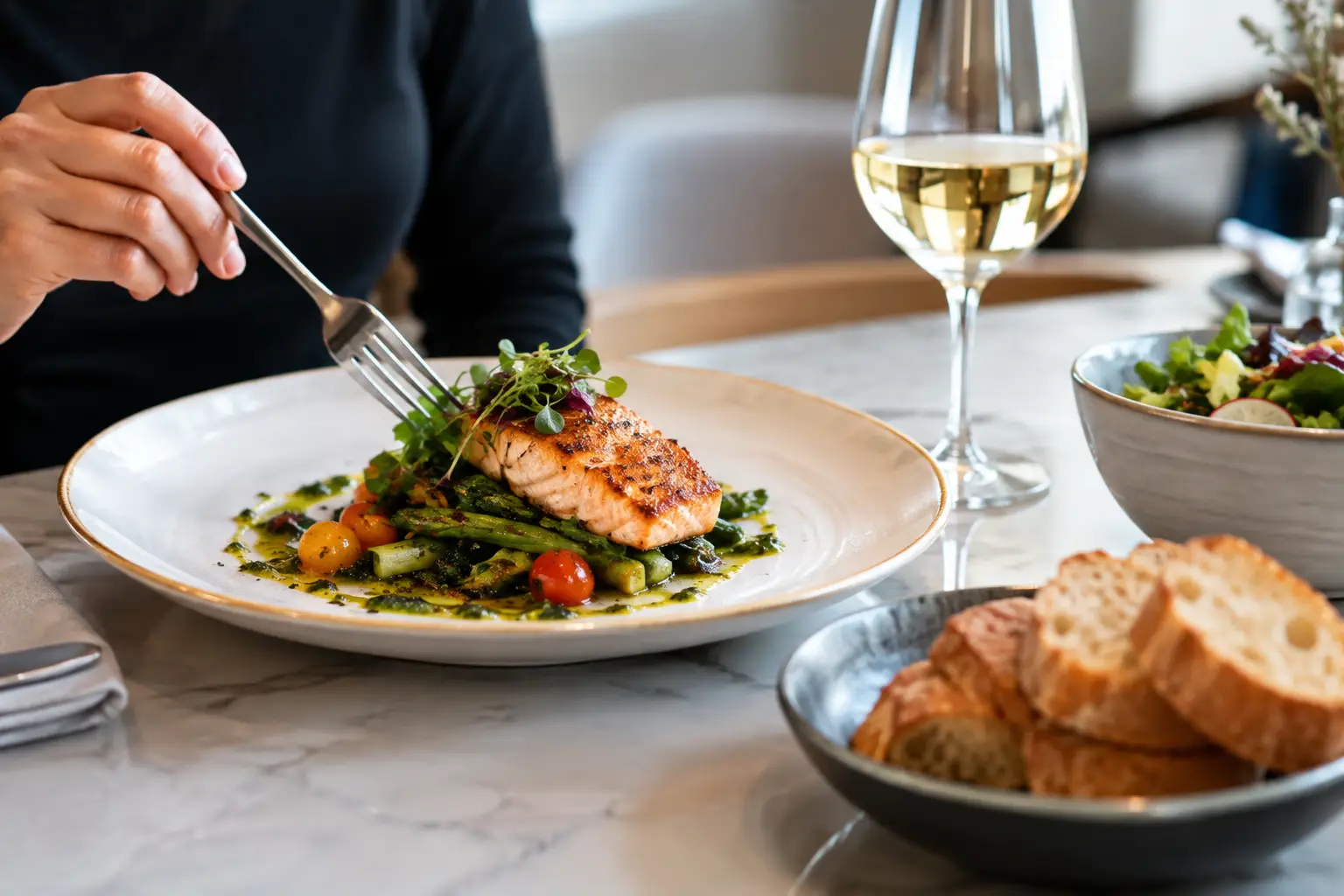
The layout is usually easy to follow. Starters offer a first course or something to share. Mains provide the centrepiece, often with vegetarian, fish and meat options. Side dishes let you add a little more to the table, while desserts round things off.
When a menu has plenty of tempting options, it can help to begin with the main course. Ask yourself what you most fancy, then choose a starter and side that will complement it. If you are dining with others, ordering a few sides for the middle of the table can make the meal feel more sociable.
Do not be afraid to ask the team for guidance. They can explain how a dish is served, point out which sides work well with it, or let you know about dietary information and current specials. A welcoming restaurant should make a considered meal feel relaxed, not complicated.
Dietary requirements and preferences
À la carte menus can be especially useful for guests with different tastes or dietary needs because everyone orders separately. A vegetarian diner does not need to work around a menu chosen for the whole table, and a guest avoiding a particular ingredient can discuss suitable dishes directly with the team.
That said, always mention allergies when booking and again when ordering. Ingredients and preparation can change, and clear conversation is the best way to help the kitchen look after you properly.
When is à la carte the right choice?
À la carte works beautifully for date nights, birthdays, family lunches and catch-ups that deserve more than a rushed bite to eat. It is also a good fit when a group has a wide range of ages and appetites. Children may prefer a simple favourite, grandparents may want a traditional main, and someone else may be keen to try the day’s fish or a more adventurous special.
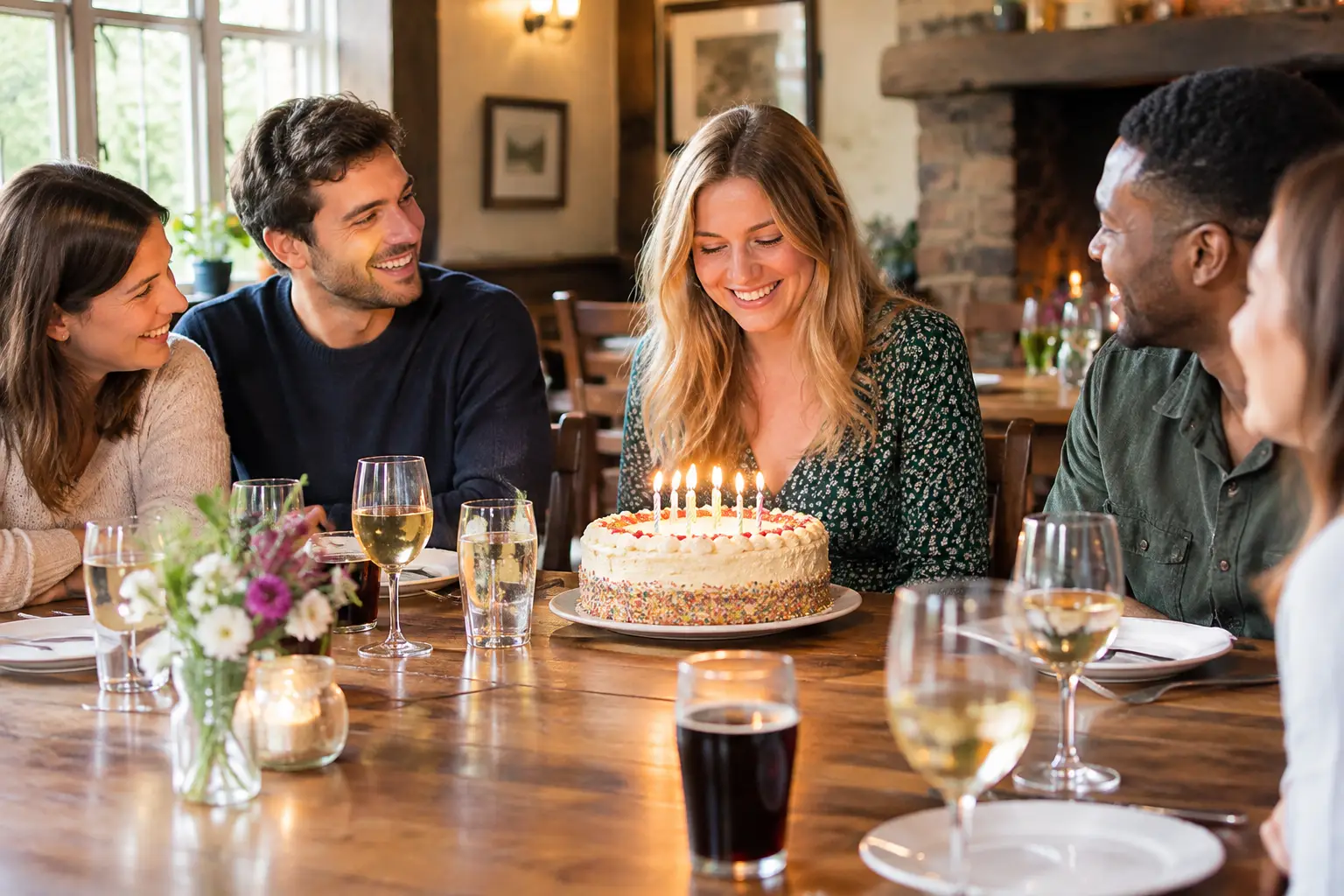
It can be ideal for celebrations because it does not make every guest eat in exactly the same way. Some will want an indulgent starter and pudding, while others will prefer a lighter meal and an extra glass of wine. The shared occasion stays at the centre, but each person has their own plate to enjoy.
For larger parties, it is sensible to ask whether the restaurant offers à la carte ordering for your group size. Some venues use a set menu for bigger celebrations to keep service smooth and give the kitchen enough notice. This is not a lesser experience - it is simply a practical approach when many guests are dining together.
Making the most of your meal
A little planning can make an à la carte meal even more enjoyable. Book ahead for busy periods, particularly weekends, Sunday lunch and popular celebration dates. Let the venue know if you are bringing children, a dog in permitted areas, or anyone with an allergy, so the table and service can be arranged thoughtfully.
Once you are there, give the menu a moment. Choose food you are genuinely looking forward to rather than what you think you ought to order. If you cannot decide between two dishes, ask what the kitchen recommends that day. Seasonal specials often reflect what is freshest and most exciting at the moment.
At The Merry Fiddlers, à la carte dining sits naturally alongside the warmth of a country pub: a place for a well-kept drink, a relaxed table and food with real care behind it. The occasion can be as simple as a midweek supper or as memorable as a birthday gathering.
The best way to approach an à la carte menu is to treat it as an invitation, not a test. Order the dishes that sound good, share a side if it suits the table, leave room for something sweet if you can, and settle in for the company you came to enjoy.