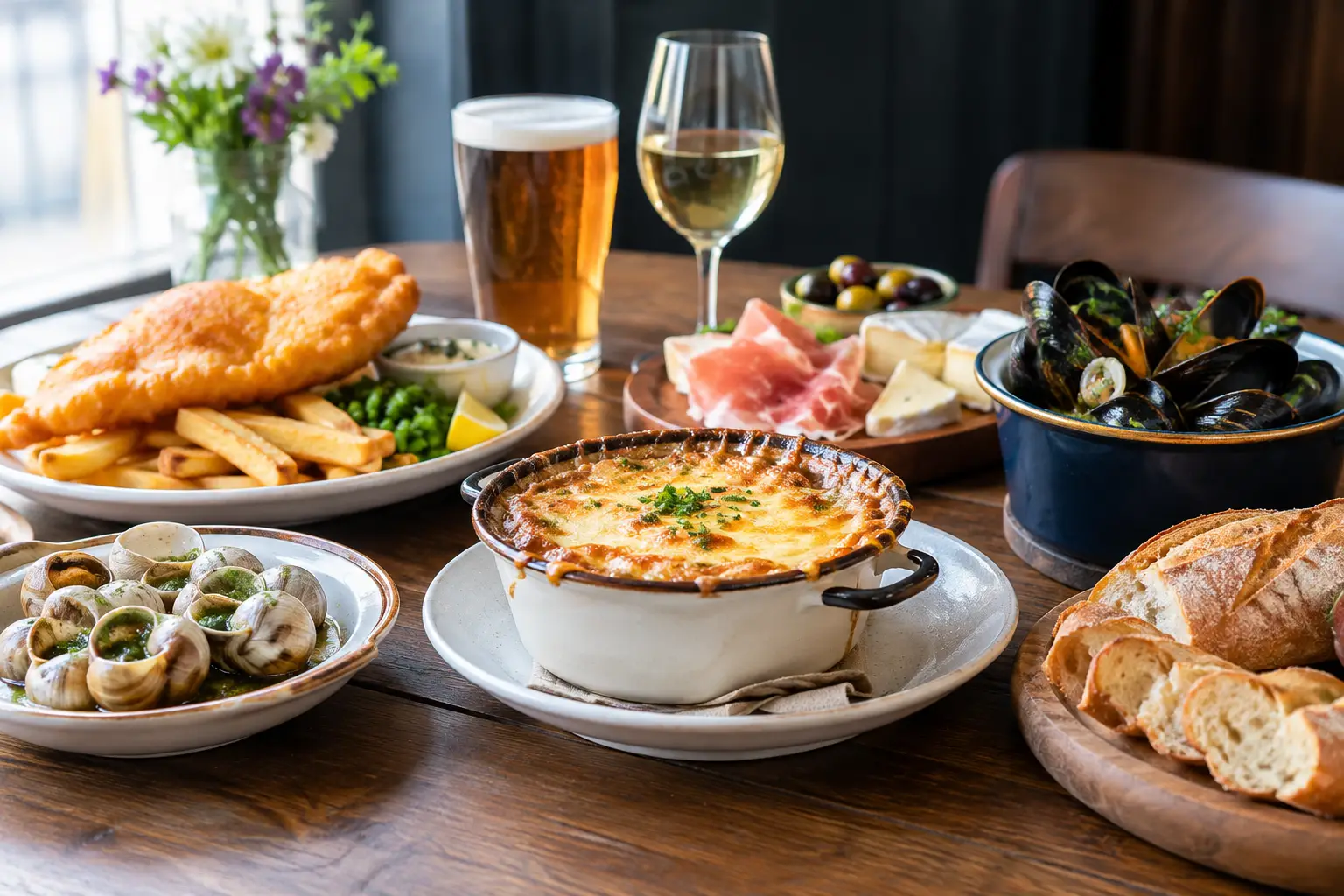
French English dishes pair familiar pub comfort with French finesse, making every meal feel generous, relaxed and just a little more special in Epping.
A great pub meal does not need to choose between comfort and craft. French English dishes bring the best of both to the table: familiar flavours, generous portions and the kind of thoughtful cooking that turns a midweek supper, family lunch or special occasion into something worth lingering over.
For diners, that balance feels natural. You might want a proper plate of food after a walk, a relaxed glass of wine with someone you love, or a Sunday meal with all generations around the table. Classic English hospitality provides the warmth. French technique brings care, depth and a little flourish. Together, they make eating out feel both easy and memorable.
Why French English dishes work so well
British and French cooking have long shared more than a stretch of water. Both cuisines have a deep respect for seasonal produce, good butter, slow cooking and sauces made with patience. English food is at its best when it is hearty, honest and rooted in the seasons. French cooking is at its best when it draws the fullest flavour from every ingredient without making a fuss about it.
Put those strengths together and the result is food that feels generous without being heavy, polished without being precious. A perfectly roasted piece of meat can arrive with a rich jus rather than a plain gravy. A simple fillet of fish can be lifted by a velvety sauce, crisp greens and a squeeze of lemon. Potatoes may be roasted until golden and fluffy, served dauphinoise-style with cream and garlic, or made into a smooth mash worthy of mopping up every last spoonful of sauce.
This is not about turning a country pub into a formal dining room. It is about treating well-loved food with the respect it deserves. A good plate should still feel welcoming enough for muddy boots, hungry children and a long-overdue catch-up with friends.
The familiar favourites, finished with care
The charm of French English cooking lies in the details. It starts with dishes people already know and trust, then gives them a little more character.
Meat, roasts and slow-cooked comfort
A classic roast is a fine example. British roast dinners are built around abundance: tender meat, crisp potatoes, seasonal vegetables, Yorkshire puddings and proper gravy. French influence might appear in the way the meat is rested and basted, the wine used in the sauce, or the careful reduction that gives the gravy extra depth.
The same applies to slow-cooked dishes. Beef bourguignon and a traditional British beef stew have plenty in common - both reward time, good stock and a low, steady heat. Served with buttery mash, roasted roots or crusty bread, they are food for cooler evenings and unhurried conversations. The difference is often subtle, but it matters: a splash of red wine, herbs folded through at the right moment, or a sauce reduced until it clings beautifully to the meat.
There is a trade-off, of course. Rich sauces and creamy potatoes are wonderful when the weather is cool or the occasion calls for comfort, but a lighter dish can suit a sunny lunch better. That is why a balanced menu matters. The best pub dining gives guests the choice between a satisfying classic and something fresher.
Fish and seasonal vegetables
Fish is another natural meeting point. Britain has an extraordinary coastline and a long love affair with simply cooked seafood. France contributes the confidence to pair it with a beurre blanc, a shellfish sauce or a gentle herb dressing that enhances rather than overwhelms.
A well-cooked fillet of fish needs little decoration. Crisp skin, tender flesh, a bright sauce and vegetables that still have a little bite can be enough. In spring and summer, think peas, asparagus, broad beans and new potatoes. In autumn, earthy mushrooms, leeks and squash provide a warmer, more substantial note.
The same thinking belongs on vegetarian plates. French English dishes should never treat vegetables as an afterthought. A wild mushroom tart, a baked cauliflower dish with a rich cheese sauce, or a beautifully dressed salad with goat's cheese and toasted nuts can hold its own alongside any roast or steak. Great cooking is about balance, not simply adding more ingredients.
Sauce is often where the magic happens
Ask a chef what separates an ordinary plate from a restaurant-quality one, and sauce will often be part of the answer. It brings everything together. A good gravy, jus or cream sauce adds moisture, seasoning and richness, while also carrying the flavour of roasted meat, wine, herbs or stock across the plate.
French cooking has made an art of sauce, but British diners understand its importance just as well. Few things are more disappointing than a roast without enough gravy, or a pie with a thin, flavourless filling. The ideal is generosity with purpose: enough to enjoy with every forkful, but not so much that the crisp edges, fresh vegetables and carefully cooked main ingredient are lost.
At The Merry Fiddlers, that blend of classic French and English technique suits the setting particularly well. A historic country pub should feel relaxed and reassuring, yet the food can still offer the small touches that make a meal feel like an occasion.
Choosing the right dish for the occasion
One reason this style of food is so welcome in a pub restaurant is its versatility. It works for a quiet meal for two, but it also makes sense when the table is full and everyone wants something different.
For a celebratory evening, a beautifully cooked steak, duck dish or rich slow-cooked main feels suitably special, particularly with a bottle of red wine or a favourite cocktail. For a relaxed family lunch, a roast, pie or classic chicken dish tends to please a wider range of appetites. Children and grown-ups alike often appreciate food they recognise, especially when it is made with care.
If you are meeting friends for a lighter lunch, look for fish, salads or vegetable-led dishes that still feel satisfying. A dish does not have to be drenched in cream to show French influence. A sharp vinaigrette, a herb oil or a light white wine sauce can give a plate just as much personality.
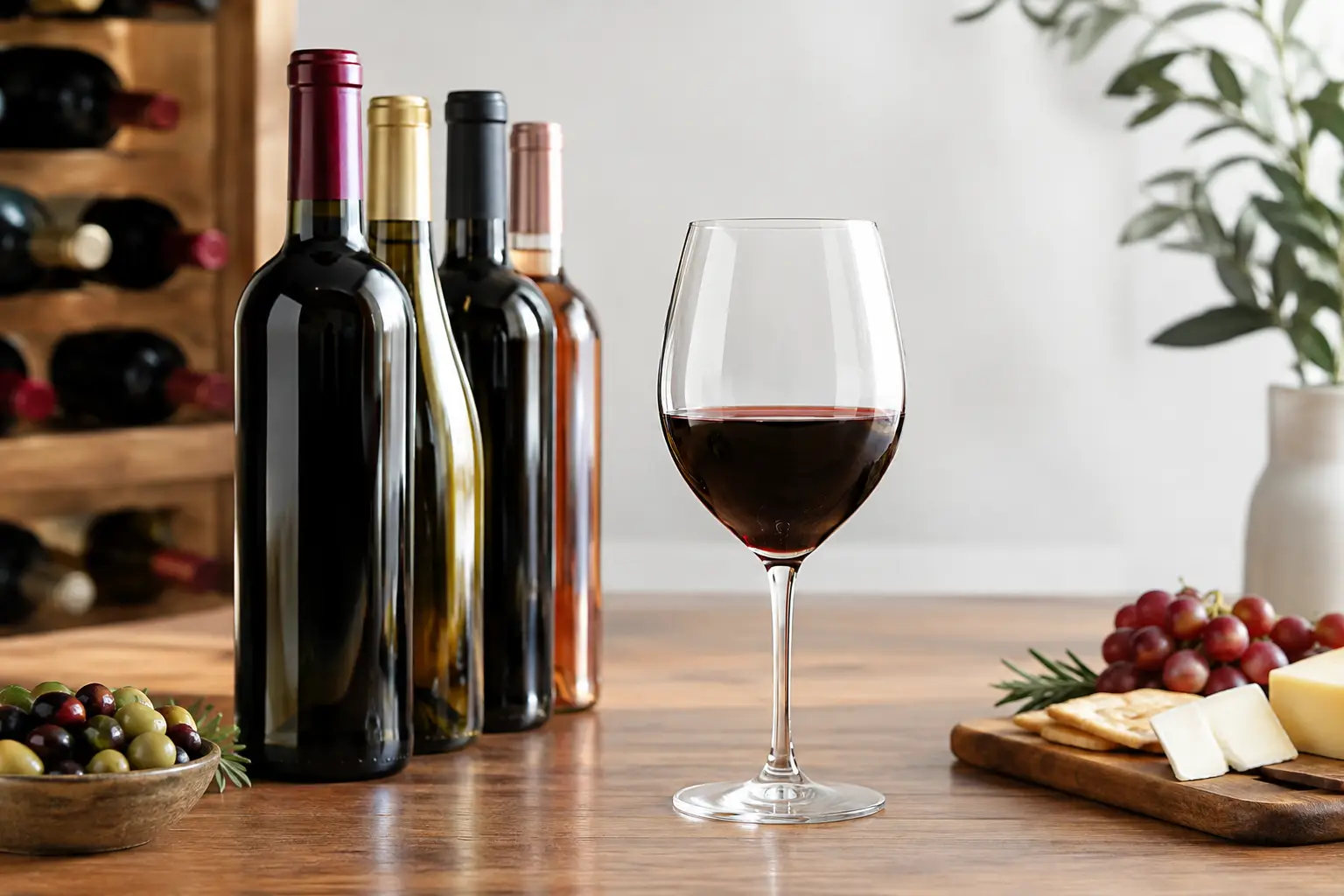
Drinks deserve a little thought too. A real ale can be a natural companion to a steak pie or slow-cooked beef, while a crisp white wine works beautifully with fish and creamy sauces. Cocktails can make an arrival feel festive, and fresh coffee offers a welcome excuse to stay at the table a little longer after dessert.
The pleasure of a proper pudding
Dessert is where French English dishes can be especially joyful. British puddings have a talent for comfort: sticky toffee pudding, apple crumble, steamed sponges and warm custard belong to the colder months for good reason. French patisserie brings precision, caramel, chocolate, fruit and pastry to the party.
The strongest pudding menus do not force a choice between the two traditions. They take the warmth of a British favourite and pair it with a more refined element - perhaps a scoop of proper vanilla ice cream, a silky crème anglaise, or fruit prepared with a little more care. Equally, a French-style tart can feel entirely at home after a Sunday lunch when served without ceremony and shared with good company.
It depends on the mood. Some days call for a dessert that arrives steaming and comforting. Other times, a lighter lemon tart or berry dessert is exactly right. The point is not to make pudding complicated. It is to finish the meal on a generous note.
Good food needs the right setting
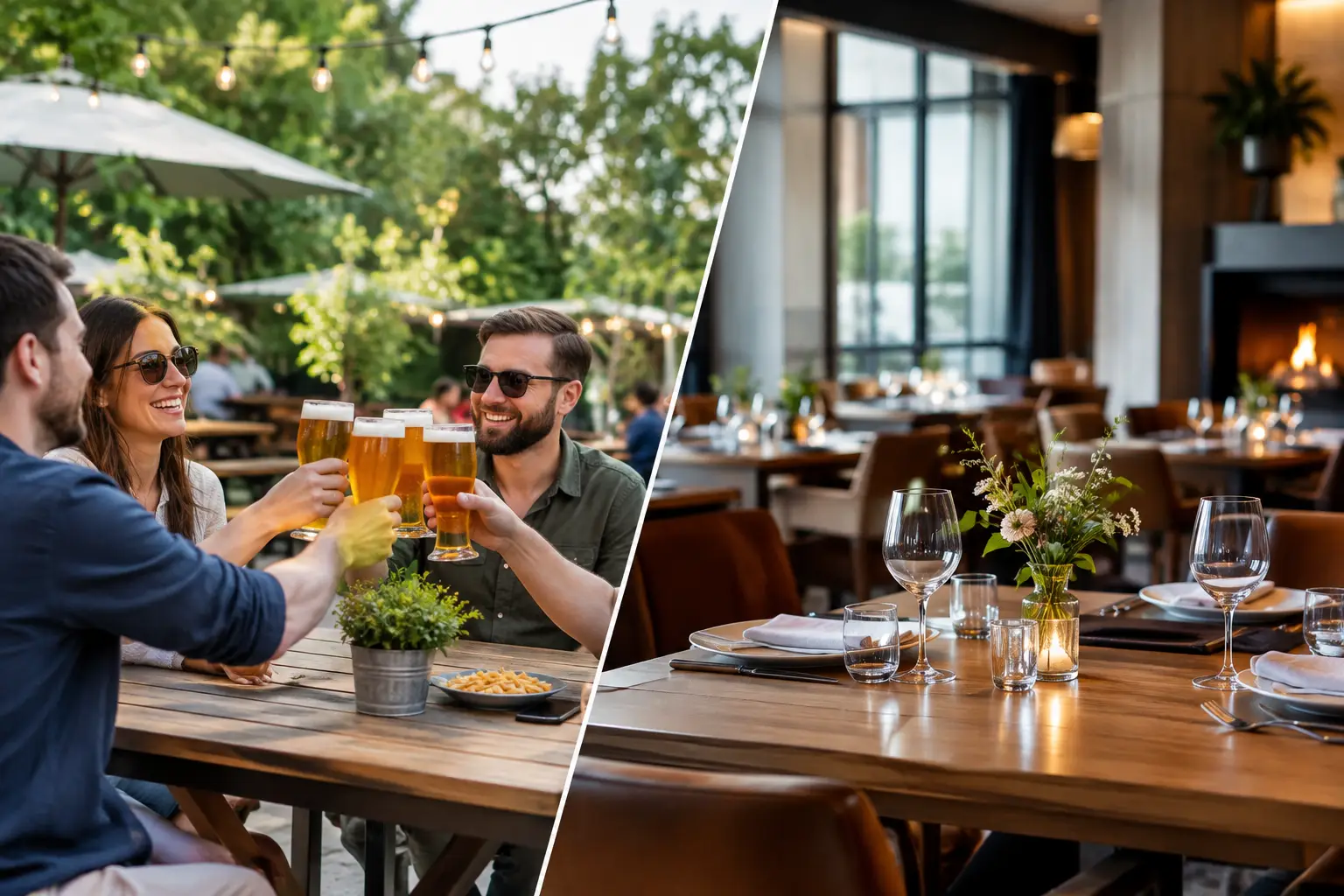
Food is only part of the experience. French English cooking shines in spaces where people can settle in, talk freely and feel looked after. A country pub offers something restaurants in town can struggle to replicate: the ease of arriving as you are, the warmth of a familiar welcome and the freedom to make an afternoon or evening of it.
That atmosphere matters whether you are booking a birthday meal, bringing the family for Sunday lunch, catching up over coffee or enjoying dinner after a walk with the dog. A broad menu and a generous drinks selection allow everyone to find their own favourite, while the shared character of the table keeps the occasion together.
The next time you are choosing where to eat, look for food that offers both comfort and a little care. A plate that feels familiar can still surprise you, and the best meals are often the ones that leave room for one more drink, one more story and a reason to plan the next visit.