Wine lists need not be intimidating. Find a bottle for your table, pair it with food and enjoy every glass with confidence at the pub on any occasion.
A good bottle can turn a relaxed lunch into an occasion, bring a Sunday roast together, or give a long-overdue catch-up a little more sparkle. Yet wine lists can sometimes feel like they are written for experts rather than the people sitting down to enjoy a meal. They need not be. The best wine lists offer a choice for every table, every appetite and every budget.
At a country pub and restaurant, wine should feel welcoming. It should suit the food, the people around the table and the pace of the occasion. Whether you know exactly which grape you like or simply fancy trying something new, a few straightforward pointers can help you order with confidence.
What makes a good wine list?
A thoughtful wine list is not necessarily the longest one. It is a well-chosen collection with enough range to reward curiosity without making the decision harder than it needs to be. You should be able to find a familiar, dependable glass, a bottle for a celebration, and something interesting that may become a new favourite.
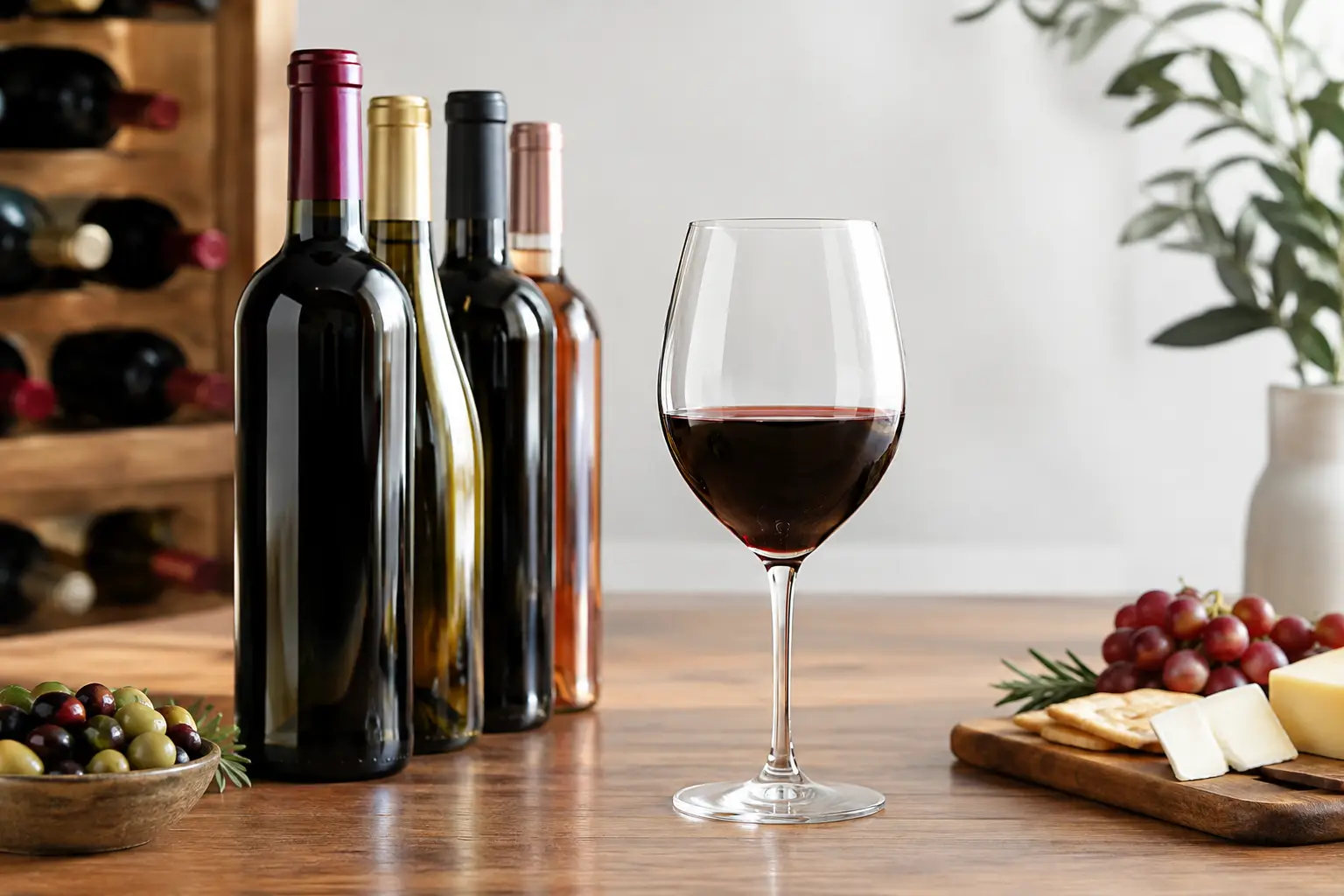
Look for variety across colour, style and price. A strong selection usually includes crisp whites, richer whites, easy-drinking reds, fuller-bodied reds, rosé, sparkling wine and a few sweet or fortified options. By-the-glass choices matter too. They let guests enjoy a glass with a starter or pudding without committing to a full bottle.
The most useful wine lists also give you clues. A short tasting note can tell you whether a wine is fresh and citrus-led, softly fruity, full-bodied or oak-aged. Country and grape variety offer a helpful starting point, but there is no need to treat either as a rulebook. The description, your meal and your own taste are more useful guides.
Start with the kind of meal you want
The old advice to drink white wine with fish and red wine with meat is a decent starting point, but it is far from the whole story. Sauce, seasoning and cooking style often have more influence than the main ingredient.
Take a delicate white fish dish. A bright Sauvignon Blanc or Picpoul can be a lovely match when the plate is light, lemony or herb-led. Add a rich cream sauce, buttery mash or roasted mushrooms, and a more rounded Chardonnay may make better sense. Equally, a lightly chilled Pinot Noir can be wonderful with salmon, duck or a dish with earthy flavours.
With red meat, consider how rich the food is. A classic steak can stand up to a structured Cabernet Sauvignon, Malbec or Syrah. For slow-cooked lamb, a generous Rhône-style red often works beautifully. If you are choosing a burger, sausage dish or something from the grill, a juicy red with soft tannins is usually more enjoyable than a very heavy bottle that overwhelms the food.
Sunday roasts are especially flexible. Roast chicken can happily sit alongside a fresh white, a dry rosé or a light red. Beef calls for more body, while pork often welcomes a fruit-forward red or a white with enough texture to cope with crackling and apple sauce. The point is not to find one perfect answer. It is to choose something that makes both the food and the conversation more enjoyable.
Think about flavour, not just colour
Spice, sweetness, salt and smoke all change how wine tastes. A chilli-led dish can make a very tannic red seem harsher, while a wine with a touch of fruit or sweetness can calm the heat. Salty food often makes crisp white wines feel even fresher. Smoky dishes may suit a red with savoury notes, while a creamy dish can benefit from a wine with good acidity to keep each mouthful lively.
If several people are sharing different dishes, do not worry about a perfect match for every plate. Choose a flexible bottle. Dry rosé is often a reliable middle ground, as are lighter reds such as Pinot Noir or a generous, balanced white. Sparkling wine is another versatile choice and deserves a place well beyond a toast.
A quick guide to wine styles
You do not need to memorise regions or learn a new language to understand wine. A few style words will take you a long way.
A crisp white is light, refreshing and often citrusy or mineral in character. It is ideal as an aperitif and works well with seafood, salads and lighter dishes. A richer white may have flavours of stone fruit, vanilla, butter or toast. It can be a fine choice with roast poultry, creamy sauces and fuller fish dishes.
A light red tends to be juicy, fragrant and lower in tannin, which is the drying sensation you notice on your gums. These wines are easy to enjoy with charcuterie, poultry, pork and mushroom dishes. A fuller red has deeper fruit, more body and often more tannin. It is made for richer meats, mature cheese and long, unhurried dinners.
Rosé ranges from pale and dry to deeper and fruitier. Ask if you prefer something delicate and refreshing or a rosé with more weight. For celebrations, sparkling wine brings brightness and lift to the table. It is also a particularly good choice when guests are ordering a mix of starters.
Choose a bottle for the table, not a test
When dining with friends or family, the right choice is usually the one most people will genuinely enjoy. There is no prize for ordering the most obscure grape on the list, and there is nothing unadventurous about choosing a familiar favourite.
It helps to be honest about preferences. If one person likes only lighter wines and another enjoys fuller reds, a bottle each may be more satisfying than trying to compromise. If you are only having a main course, two generous glasses can sometimes be the better option. For a longer meal, a bottle gives the table time to settle into it.
Budget deserves the same straightforward approach. Wine lists should offer good drinking at different price points. A modestly priced bottle that suits the meal is always a better choice than stretching for something expensive that does not. If you are marking a birthday, anniversary or family gathering, a bottle of sparkling wine or a more special red can make the occasion feel considered without becoming formal.
Ask for a recommendation
A good recommendation begins with a simple conversation. Tell your server what you are eating, whether you usually prefer dry or fruity wines, and roughly what you would like to spend. That is enough to point you towards a suitable choice.
There is no need to name grapes or regions if you do not know them. Saying, “We would like a smooth red for lamb,” or “Something fresh but not too sharp with fish,” is clear and useful. If you have enjoyed a wine before, describe it in everyday terms: light, soft, fruity, dry, rich or refreshing.
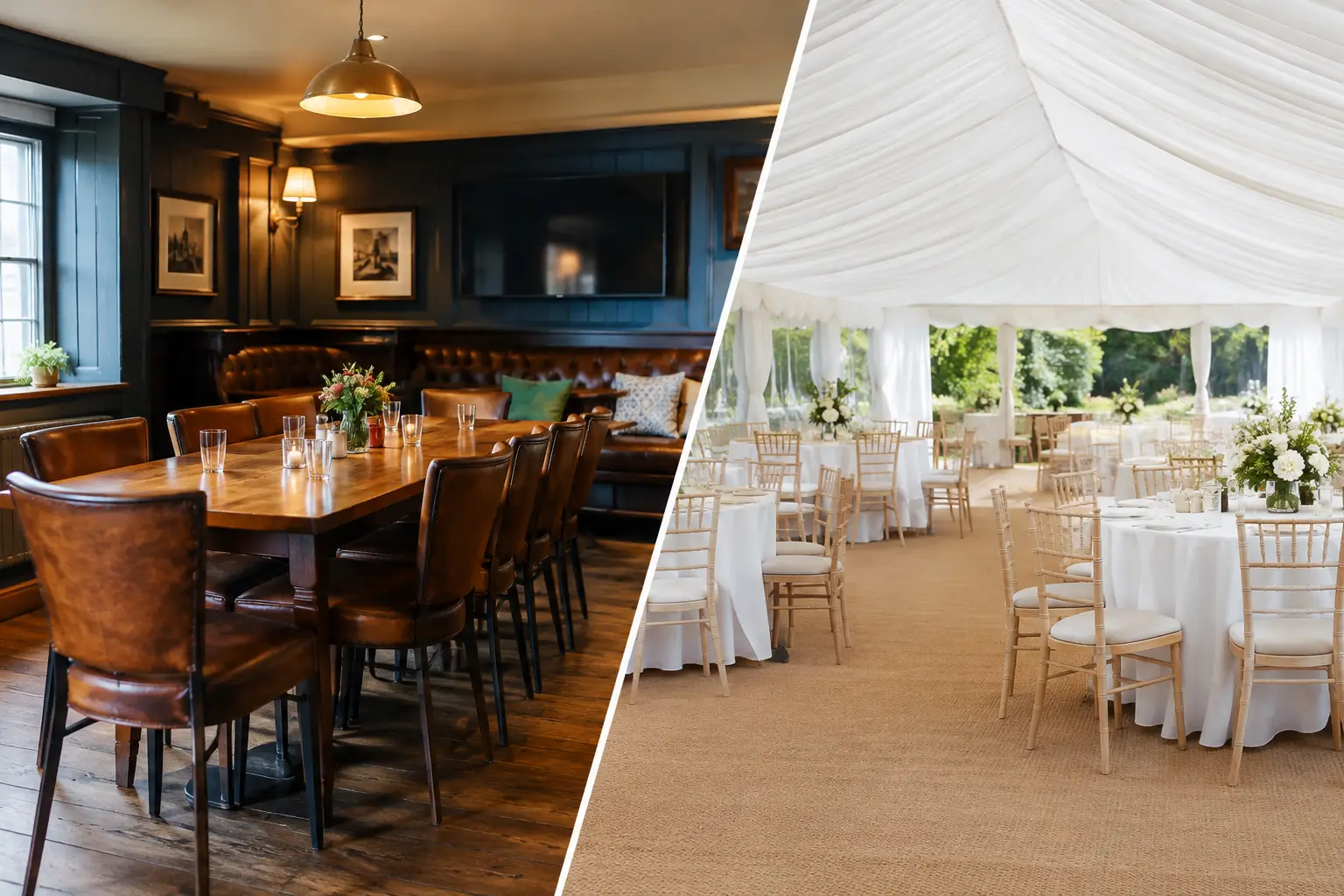
At The Merry Fiddlers, the aim is the same as it should be at any welcoming table: good food, good company and a drink that feels right for the moment. A knowledgeable member of the team can take the pressure out of choosing and help you find something suited to your meal.
Make the most of the bottle once it arrives
Wine etiquette is much simpler than it can appear. When you are offered a taste, you are checking that the wine is in good condition, not deciding whether it is your favourite style. If it smells fresh and tastes sound, you can happily approve it. If something seems off, mention it politely and the team will help.
Temperature matters. Whites and rosés should be cool but not ice-cold, otherwise their flavour disappears. Lighter reds can be lightly chilled, especially in warmer weather, while fuller reds benefit from a little time in the glass. Give a red a gentle swirl and a few minutes before deciding what you think. It may open up noticeably as you eat.
Most of all, give yourself permission to enjoy wine lists on your own terms. Choose the glass that suits your lunch, the bottle that suits your table, or the sparkling wine that makes an ordinary Friday feel a touch more special. The best choice is the one you look forward to pouring again.