Learn how to choose drinks for a celebration dinner, with aperitifs, wine, ales and alcohol-free choices to suit every guest and course on the table.
A celebration dinner deserves more thought than simply ordering a round at the bar. Knowing how to choose drinks for a celebration dinner helps set the pace of the evening, flatter the food and make every guest feel properly looked after. Whether you are raising a glass for a birthday, anniversary, family milestone or long-overdue get-together, the best choices feel generous without becoming complicated.
The aim is not to build a drinks list that reads like a wine exam. It is to offer a little variety, keep the table comfortable and leave room for people to enjoy the occasion in their own way. A chilled glass of fizz may be exactly right for one group, while another will be happiest beginning with a well-kept pint or a fresh alcohol-free spritz.
Start with the occasion and the people around the table
Before choosing bottles, think about the shape of the evening. A relaxed family lunch calls for something rather different from a formal anniversary dinner or a lively evening with friends. Consider the time of day, the number of guests, whether people are driving, and how long you expect to be at the table.
For a smaller celebration, you can be more personal. You may know that a guest loves a particular gin, a crisp Sauvignon Blanc or a proper cask ale. For a larger booking, choice matters more than precision. Give people a few dependable routes: a sparkling option, red and white wine, beer or ale, soft drinks, and one or two alcohol-free choices that feel like a treat rather than an afterthought.
It also helps to decide how much of the evening will centre on drinking. If the dinner begins with drinks in the garden or at the bar, offer an aperitif that is light enough to leave appetites intact. If the meal itself is the main event, keep the opening round simple and let the food guide what comes next.
How to choose drinks for a celebration dinner by course
Food and drink do not need to match perfectly to be enjoyable, but a little thought makes both taste better. Start with the dominant flavours on the plate rather than trying to pair every ingredient. Is the dish rich, salty, spicy, smoky, creamy or fresh? Those qualities will point you in the right direction.
Begin with an aperitif that feels festive
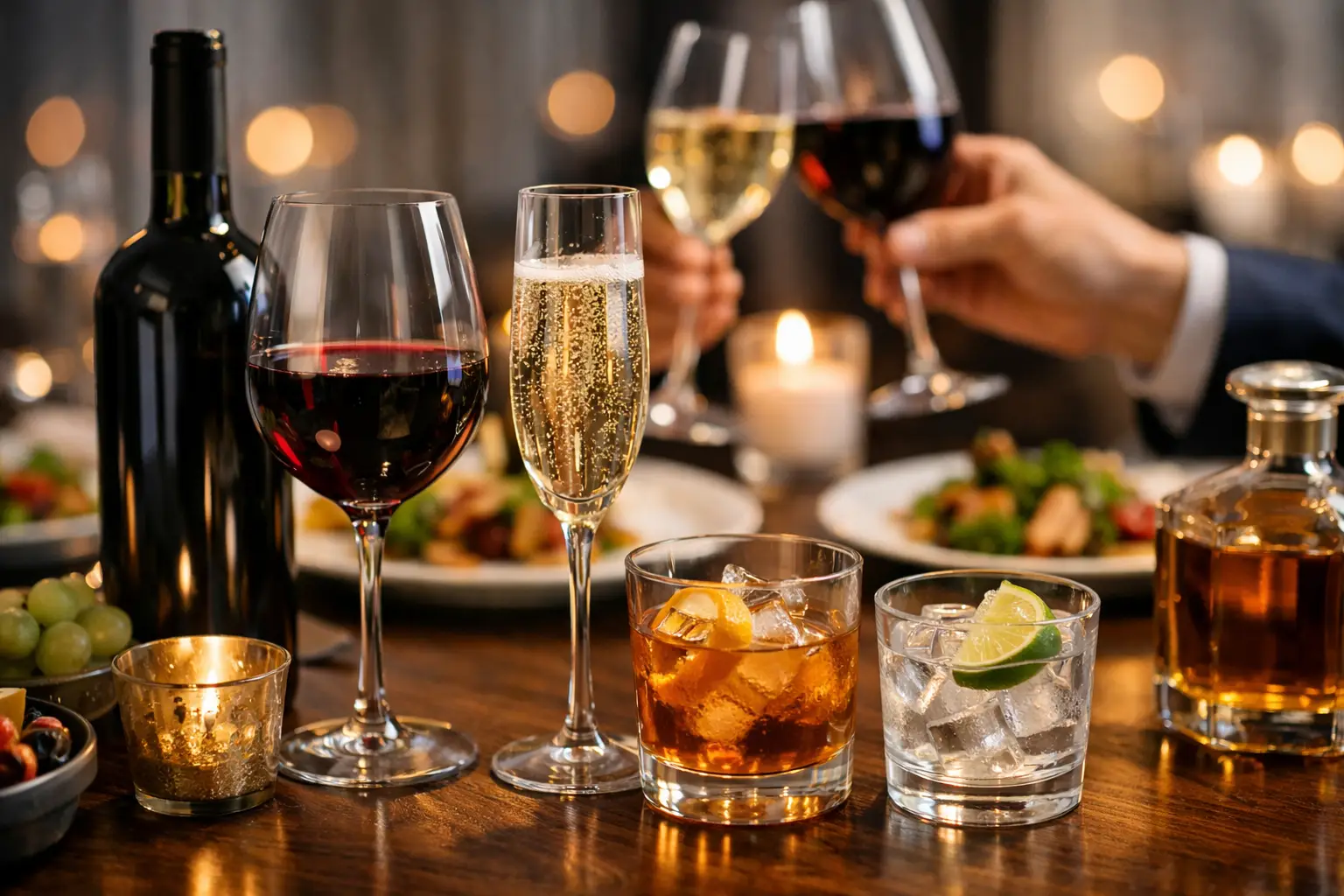
Aperitifs should wake up the palate, not weigh it down. Sparkling wine is a classic choice because the bubbles feel celebratory and work well with canapés, shellfish and lighter starters. A dry white wine, a gin and tonic with plenty of citrus, or a bright cocktail can work just as well.
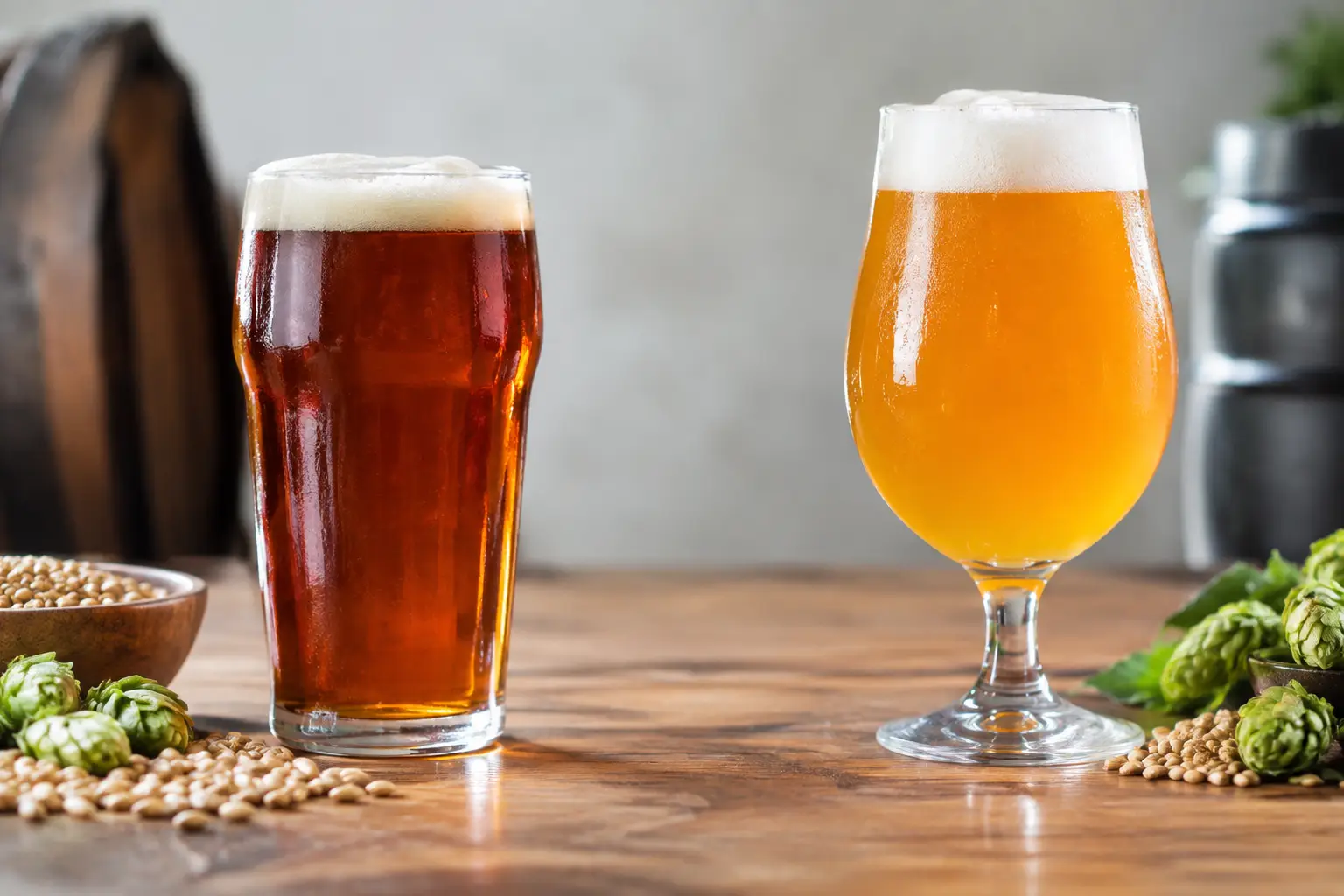
For guests who prefer beer, a pale ale or lighter lager is often an easy opening choice. At a country pub celebration, a well-poured real ale can be every bit as fitting as fizz, particularly when the group appreciates something local, traditional and full of character.
Offer a good alcohol-free option from the beginning too. A sparkling elderflower drink, botanical spritz or a proper tonic served with fresh garnish gives non-drinkers something celebratory to hold in their glass. Nobody should feel as though their only choice is a glass of tap water while everyone else makes a toast.
Match white wines to freshness and lighter dishes
Crisp, dry whites suit seafood, chicken, salads and dishes with creamy sauces, especially when there is a lift of lemon, herbs or fresh vegetables on the plate. Sauvignon Blanc is a familiar, lively choice, while Pinot Grigio can be lighter and easy-going for a mixed table.
If the dish is richer, such as roast chicken with a buttery sauce or a fuller fish course, choose a white with more body. Chardonnay can work beautifully here, particularly if it has enough freshness to prevent the pairing from feeling heavy. The point is balance: rich food needs lift, while delicate food can be overwhelmed by a bold wine.
Bring in reds for depth, roast flavours and slower evenings
Red wine comes into its own with beef, lamb, duck, game and dishes built around deeper sauces. A softer, fruit-led red such as Merlot can be approachable for a table with different tastes. Pinot Noir is often a lovely fit with duck, mushrooms or pork, while a fuller Cabernet Sauvignon or Malbec stands up well to steak and hearty beef dishes.
Tannic, powerful reds can be impressive, but they are not always the safest bottle for every guest. If the menu includes several styles of main course, a medium-bodied red with ripe fruit and gentle structure is usually the more welcoming option. Serve it at a sensible temperature rather than too warm, as excess warmth can make even a good red taste flat and overly alcoholic.
Do not overlook beer, ale and cider with food
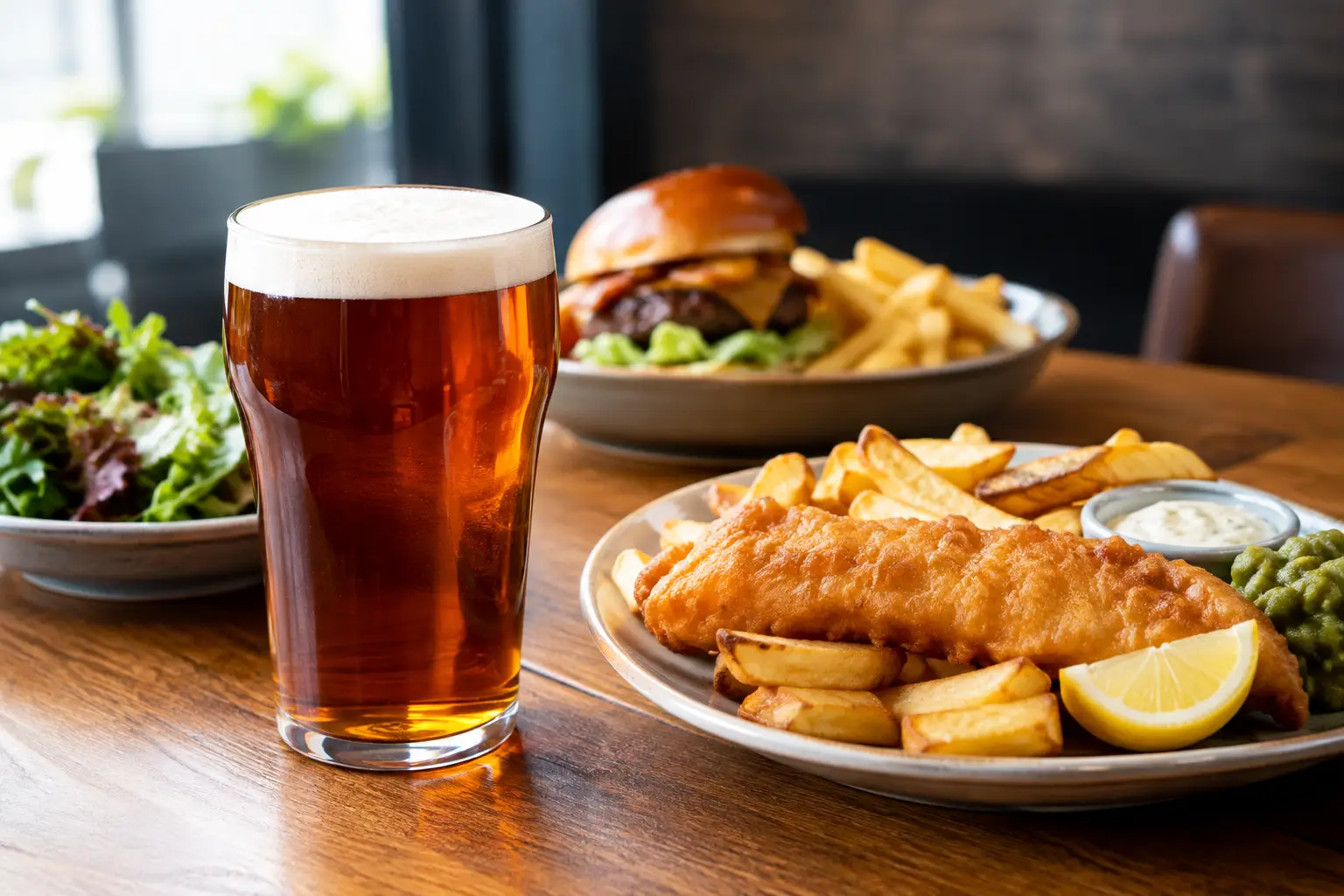
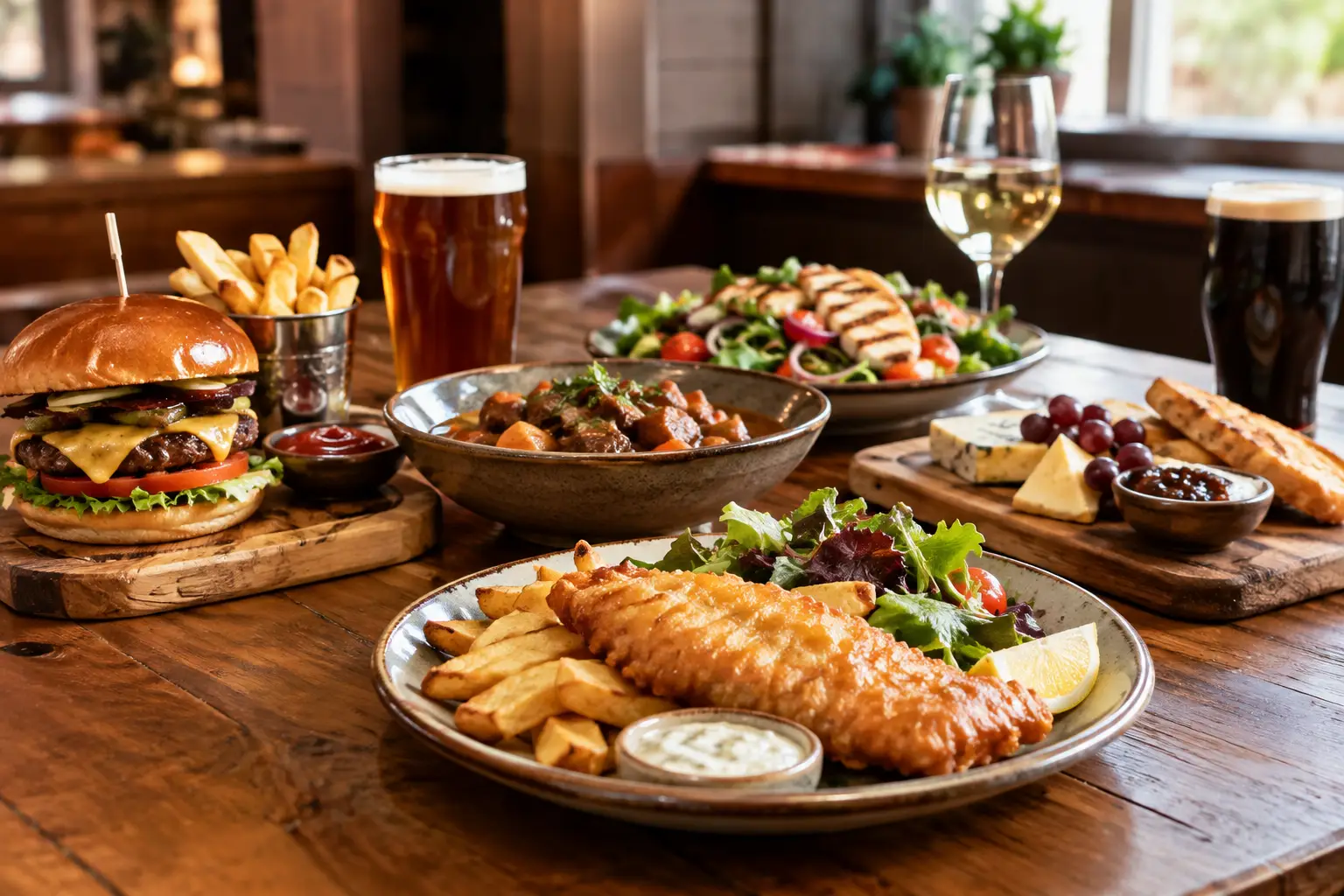
Wine is not the only route to a thoughtful pairing. Beer and cider can be excellent at a celebration dinner, especially with classic pub dishes and sharing food. A clean lager refreshes alongside fried dishes and lighter flavours. A hoppy pale ale can cut through a burger, grilled chicken or something gently spiced. A darker ale may suit slow-cooked meat, pies and roasted flavours.
Cider deserves a place at the table too. A dry cider works particularly well with pork, cheese and dishes that carry a touch of apple, cream or spice. It is a useful choice for guests who do not fancy wine but would still like something with more occasion than a standard soft drink.
Keep the table comfortable, not overstocked
A generous host does not need to order everything at once. Too many open bottles can create waste, crowd the table and make choices feel harder, not easier. Start with an opening drink, then select wines or beers to suit the main course. You can always choose another bottle once everyone has settled in.
As a broad guide, a bottle of wine serves around four to six modest glasses, depending on the pour. That is useful for planning, but appetite and pace vary widely. A daytime celebration may need less than an evening gathering, and a table with drivers, parents and early starters will likely have a different rhythm from a group celebrating late into the night.
Water should be on the table throughout. Still and sparkling water both have their place, and regular top-ups are a simple mark of good hospitality. It keeps palates fresh, supports responsible drinking and means everyone can relax without feeling hurried.
Make alcohol-free choices part of the celebration
The strongest drinks plans do not separate guests into those who drink and those who do not. Alcohol-free beer, cider, sparkling drinks and carefully made mocktails now offer genuine flavour and character. Include them in the first toast, on the menu and in the conversation.
This is especially worthwhile at family occasions, where guests may be driving, pregnant, taking medication or simply choosing a quieter night. A considered alcohol-free drink says that the occasion is for everyone. It also gives people an easy way to alternate between alcoholic drinks and something lighter as the evening goes on.
Finish with something suited to the mood
After dessert, there is no rule saying the table must have another round. Sometimes coffee is exactly what people want, especially after a long meal. Fresh coffee, tea and a small sweet drink can provide a gentle finish without prolonging the evening beyond its natural moment.
For a more leisurely celebration, dessert wine, a rich porter, a small whisky or an espresso martini can bring a touch of theatre. Keep these choices optional. The final drink should feel like a pleasant extra, not an expectation.
At The Merry Fiddlers, a celebration can be as relaxed as a family meal or as polished as a special occasion deserves. Choose drinks that suit the people you have brought together, allow the food to lead where it should, and leave space for the best part of the night: good conversation around a well-filled table.