Learn how to pair cask ale with classic pub dishes, from fish and chips to Sunday roast, using flavour, texture and balance for a better meal at home.
A well-kept pint deserves more than a handful of crisps. Knowing how to pair cask ale with food can turn a relaxed lunch, proper Sunday roast or evening meal into something far more memorable. The secret is not finding one beer that suits everything. It is matching the ale’s malt, hop character, body and gentle condition to what is on the plate.
Cask ale is especially rewarding at the table because it is served without the heavy carbonation often found in keg beer. That softer texture lets the flavours of a dish come through, while the beer still has enough character to cut richness, refresh the palate or echo a sauce. Start with the style in your glass, then think about the dominant flavour in the food.
What makes cask ale so good with food?
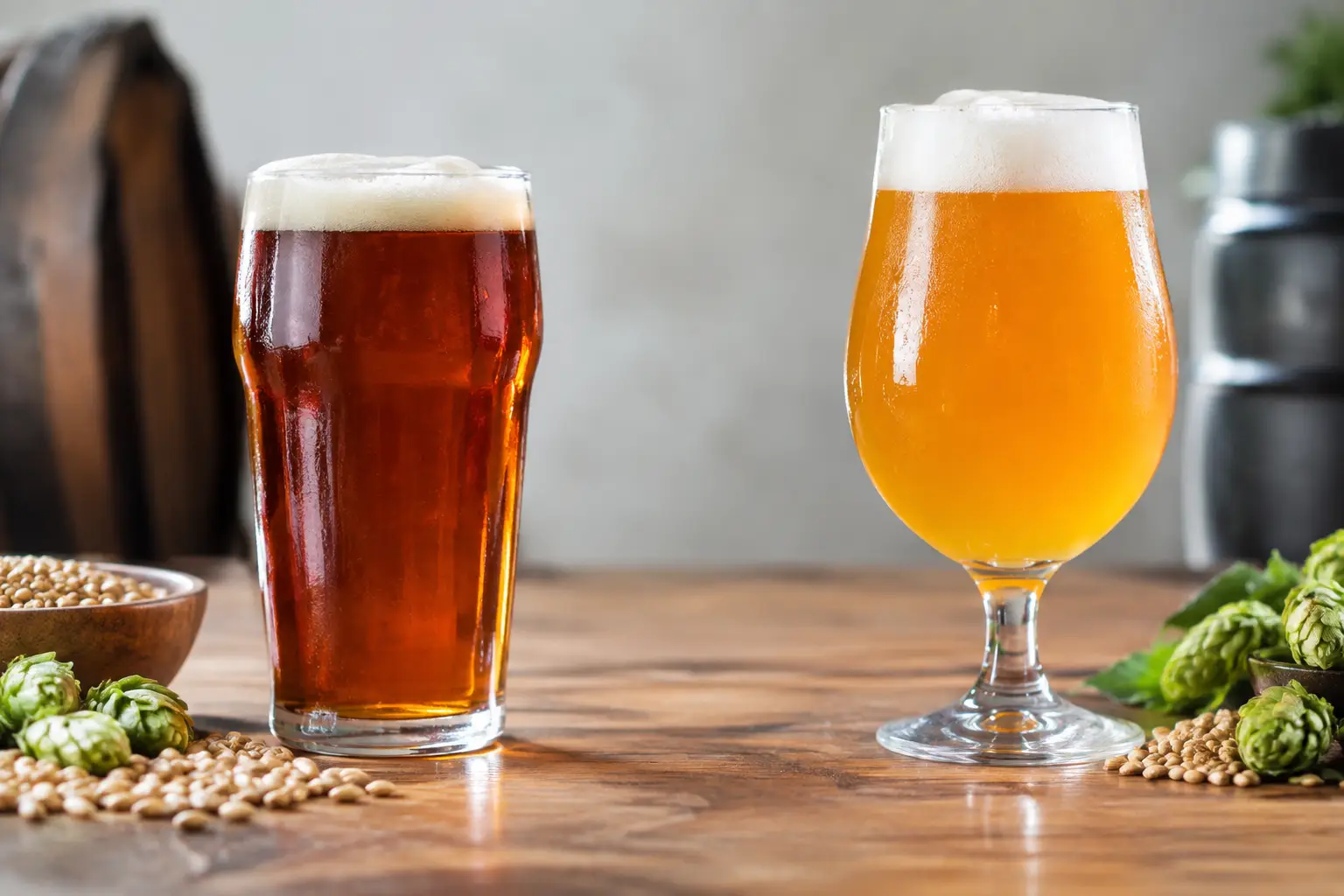
Real ale is a broad church. A pale ale may be light, citrusy and gently bitter; a best bitter can bring biscuit-like malt, hedgerow fruit and earthy hops; while a porter may offer coffee, cocoa and toast. All are traditionally conditioned in the cask, creating a softer mouthfeel and a more rounded finish than many colder, fizzier beers.
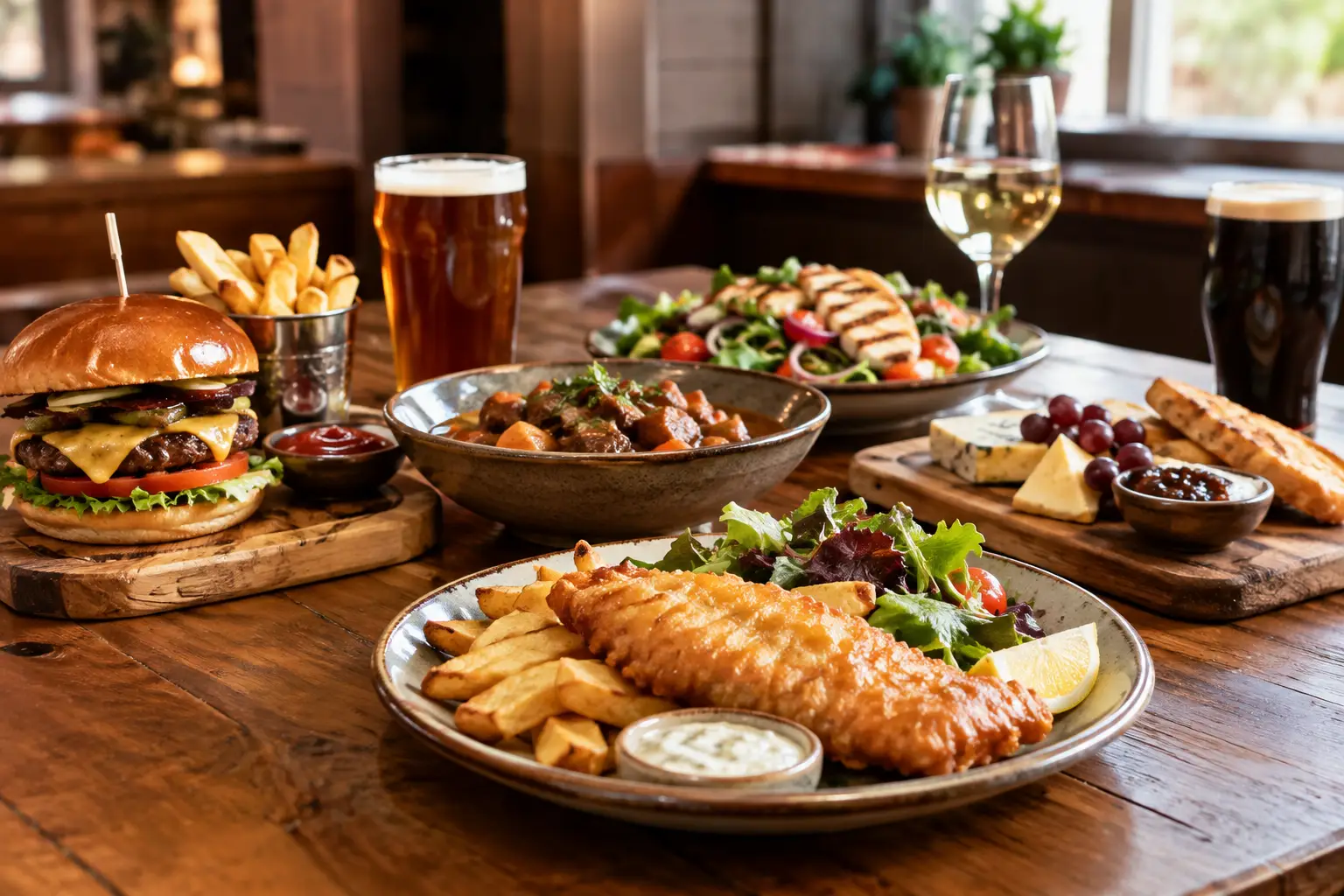
That makes cask ale a fine companion for British pub cooking. Its malt sweetness can meet the savoury crust of a pie or the caramelisation on roasted meat. Its bitterness can offset fried food and creamy sauces. Its lower carbonation means it is less likely to overwhelm delicately cooked fish, vegetables or a carefully made gravy.
Temperature plays a part, too. Cask ale is served cool rather than ice-cold, usually around cellar temperature. At that point, malt and hop aromas are easier to notice, so the match is about more than refreshment. You can taste the beer alongside the food rather than simply using it to wash the meal down.
How to pair cask ale: start with balance
The simplest approach is to consider weight first. Lighter dishes usually call for lighter ales, while richer, slow-cooked or charred dishes can carry more malt depth and bitterness. This is not a rigid rule. A hoppy pale ale can be excellent with a hearty pie if the beer is bright enough to lift the filling, and a malty bitter can work with fish if there is a buttery sauce involved.
Next, decide whether you want the beer to contrast or complement the dish. Contrast is useful when a plate is rich, salty, spicy or fried. A dry, bitter pale ale freshens the palate after a mouthful of crisp batter or cheese. Complementary pairings bring similar notes together: a nutty best bitter with a beef pie, for example, or a chocolatey porter with a dark chocolate pudding.
Finally, be mindful of sweetness. A beer that is too bitter can make a sweet dish taste cloying, while a very sweet ale can flatten a delicate starter. With desserts, choose an ale that is at least as sweet as the food, or favour toasted, coffee and cocoa notes over sharp bitterness.
Pale ale with fish and lighter dishes
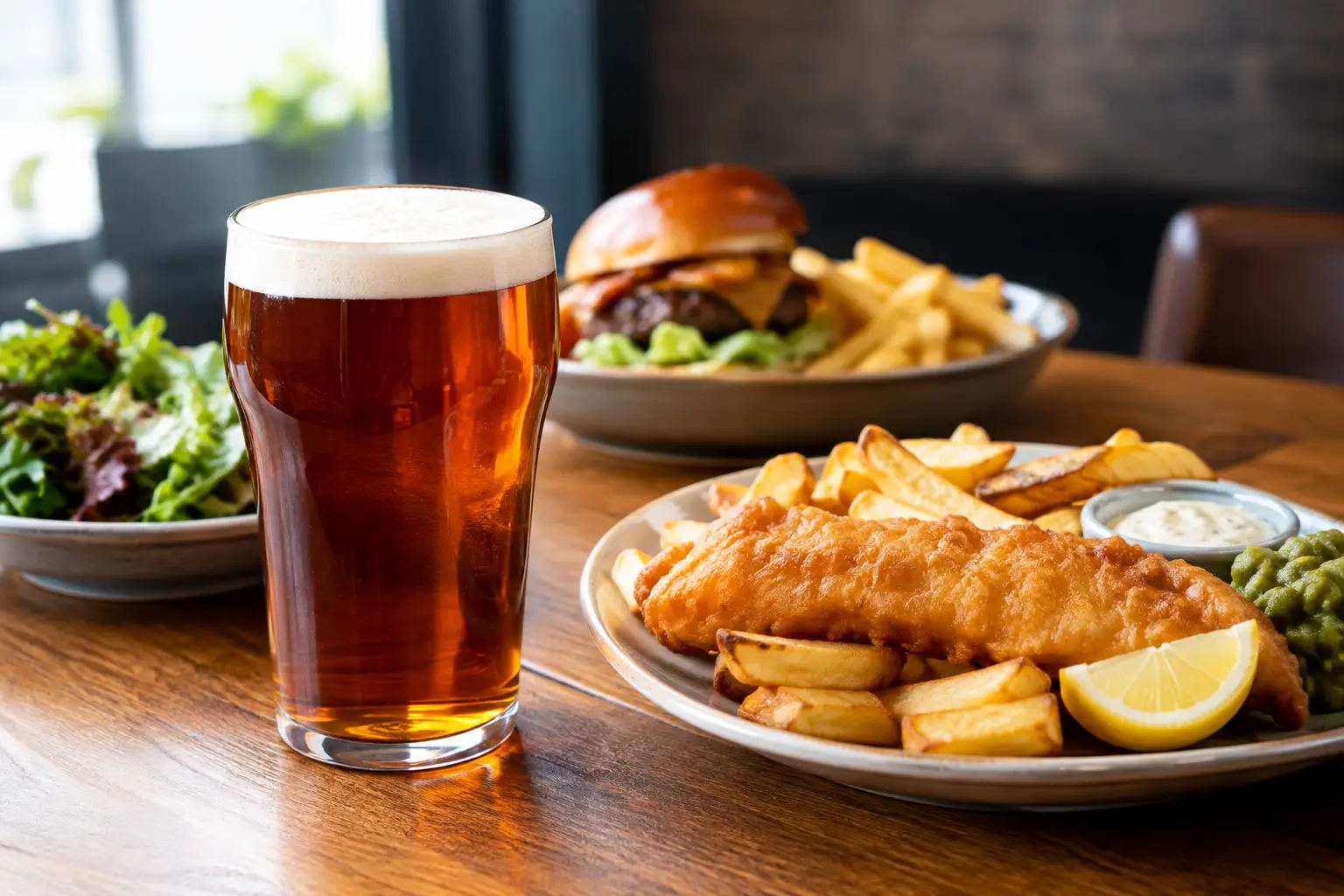
A session pale ale is often the most versatile choice on a pub table. Look for a beer with a fresh citrus or floral hop aroma, a clean finish and modest alcohol. It is an easy partner for fish and chips, particularly when the fish is simply battered and served with lemon, tartare sauce or mushy peas. The gentle bitterness cuts through the oil in the batter, while the beer’s light body leaves room for the fish itself.
The same style works well with grilled chicken, a goat’s cheese salad or a lighter seafood dish. If your meal includes chilli, ginger or a squeeze of citrus, a pale ale with bright hop character can pick up those flavours nicely. Be careful with very fiery food, however. Bitter beer can make chilli heat feel stronger. For a curry with real heat, a maltier, less aggressively hopped ale may be the kinder choice.
Best bitter with pies, roasts and burgers
Best bitter is made for classic pub comfort. It tends to have a fuller malt backbone than pale ale, with flavours that can suggest biscuit, toffee, nuts and dried fruit, balanced by traditional English hops. Those notes sit beautifully alongside a steak and ale pie, a proper beef burger or sausages with mash and onion gravy.
For Sunday roast, match the ale to the meat. A balanced best bitter is a reliable choice for roast beef, especially where there is a rich gravy, Yorkshire pudding and crisp roast potatoes. The malt mirrors the savoury, roasted flavours without making the whole meal feel heavy. With roast pork and apple sauce, choose a bitter with a touch of fruity hop character. With chicken, a lighter bitter or amber ale is usually more graceful than anything too dark.
This is also a fine pairing for cheese. A mature Cheddar, Red Leicester or Stilton ploughman’s has the salt and richness to stand up to a traditional bitter. The beer’s gentle sweetness rounds off sharp cheese, while its hops keep each bite from becoming too rich.
Amber ale and seasonal dishes
Amber ales occupy a useful middle ground. They are often richer and more rounded than pale ales but less intense than porters or stouts. That makes them particularly good with autumnal dishes: roast squash, mushrooms, game, sticky glazed pork or a chicken dish with tarragon and cream.
Earthy ingredients such as wild mushrooms, lentils and root vegetables often bring out the best in an amber ale’s toasted malt notes. If a dish has a little char from the grill, the pairing becomes even stronger. Think of an amber ale as the bottle or pint to reach for when your food has been roasted, caramelised or slowly cooked.
Porter with rich meat and pudding
A cask porter can surprise people who assume dark beer is only for winter. Its flavours may include coffee, dark chocolate, toast, molasses and dried fruit, but a well-made porter can still be remarkably drinkable. It is an excellent match for braised beef, venison, smoked meats and deeply savoury dishes with a red wine or peppercorn sauce.
It also earns a place at dessert. Pair a porter with sticky toffee pudding, chocolate brownie or a rich bread-and-butter pudding. The aim is not to make the meal heavier for the sake of it. Choose a porter with enough residual malt sweetness to meet the pudding, and enjoy smaller portions of both. A dry, sharply bitter dark ale is better with a savoury course than a sweet finale.
Let the sauce lead the pairing
When deciding between two ales, the sauce is often the answer. A creamy mushroom sauce needs enough malt to complement its richness, so a best bitter or amber ale is likely to suit. A lemon butter sauce with fish calls for a brighter pale ale. Red wine gravy, caramelised onions and peppercorn sauce can all take a more malt-forward beer.
This matters because sauces tend to dominate the final flavour of a dish. A grilled chicken breast can be light or deeply rich depending on whether it arrives with herbs and lemon, creamy mushrooms or a glossy red wine reduction. Pair to what you actually taste, not just the name of the main ingredient.
At The Merry Fiddlers, that is part of the pleasure of bringing classic French and English techniques into a relaxed country-pub setting. A carefully chosen cask ale can make familiar food feel considered without making the occasion formal.
A few pairing mistakes worth avoiding
Do not automatically order the strongest ale with the biggest plate. High alcohol and heavy sweetness can tire the palate, especially at lunch or across several courses. A lower-strength bitter may be the better match for a generous roast because it keeps the meal balanced from first bite to last.
Avoid treating every cheese dish as a match for an intensely hoppy beer. Sharp hops and blue cheese can work, but they can also compete fiercely. Start with a balanced bitter, then move darker or hoppier only if the cheese has enough body.
And do not overlook condition. Cask ale should be clear, fresh and served at the right temperature. If a beer seems tired, overly warm or lacks its usual character, it will not show its best with food. Ask what is drinking particularly well that day. A knowledgeable team will know which pint is at its freshest.
The best pairing is still the one you enjoy. Order the dish that suits the moment, choose an ale with a little thought behind it, and take the first sip after the first bite. If the flavours make you want another of each, you have found your match.