Real ales versus craft beer explained: learn how brewing, dispense and flavour shape your perfect pint at the pub, from cask tradition to modern styles.
A pint pulled from a handpump and a brightly labelled can from a small brewery may both promise character, but they are not automatically opposites. The conversation around real ales versus craft beer can become needlessly tribal. In truth, both can offer excellent brewing, distinctive flavour and a very good reason to settle in at the pub for a while.
For anyone choosing a drink alongside dinner, a Sunday roast or a relaxed catch-up in the beer garden, the useful question is not which camp is best. It is what sort of beer suits your taste, your food and the occasion.
Real ales versus craft beer: the key difference
Real ale has a specific meaning. It is beer that continues to mature through secondary fermentation in the container from which it is served, most often a cask. It is usually drawn through a handpump at the bar, although bottle-conditioned beer can also be real ale. The yeast remains part of the process, helping create the gentle natural carbonation and rounded character that cask drinkers know well.
Craft beer is a much broader term. It usually describes beer made with a focus on flavour, experimentation, quality ingredients and brewing identity, often by independent or smaller producers. However, it is not a tightly defined style or dispense method. A craft brewery can make a traditional bitter, a cask-conditioned pale ale, a punchy IPA, a lager or a rich stout. Some craft beers are served from cask, while many are kegged, canned or bottled.
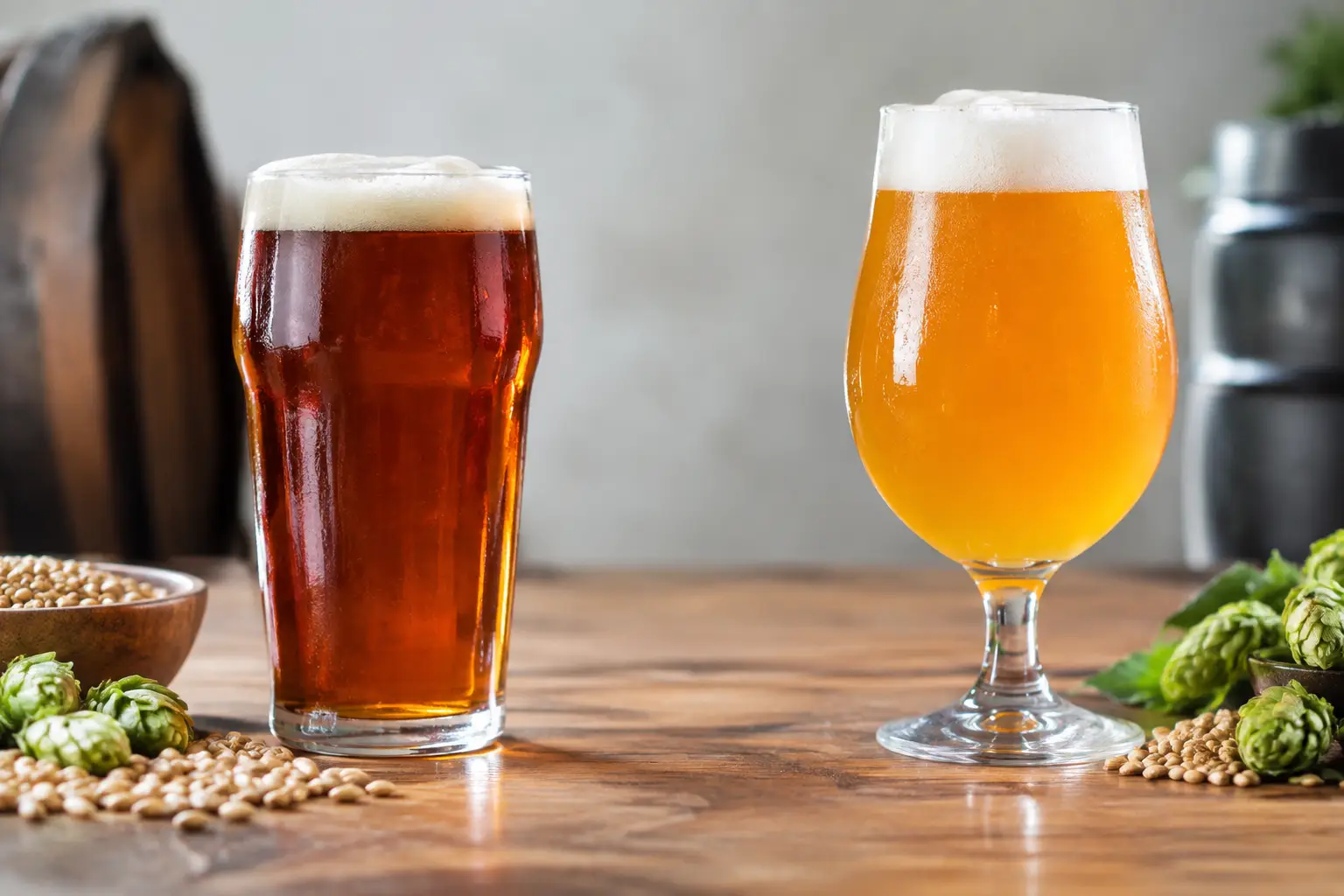
That is why real ale and craft beer should not be treated as a simple either-or choice. Real ale describes how beer is matured and served. Craft beer describes a brewing approach and culture more than one fixed production method. There is plenty of overlap in the middle.
Cask, keg and the way a pint is served
The biggest difference most drinkers notice is often at the bar. Cask real ale is generally served at cellar temperature, rather than fridge-cold, and has lower carbonation than keg beer. It is pulled through a handpump and needs careful cellar work: the cask must be stored correctly, settled, vented and served while it is at its best.
This is part of the pleasure and part of the responsibility. A well-kept cask pint can be wonderfully fresh, soft and expressive, with a proper head and a clean finish. Poorly kept cask beer can seem flat or tired. Its shorter lifespan once opened means attention matters every day.
Keg beer is stored under pressure and delivered with added gas, giving it a livelier, more consistent level of carbonation. It can be served colder and is often better suited to styles intended to feel crisp, highly aromatic or creamy. Think of a bright modern IPA, a refreshing lager or a smooth nitro stout. Keg dispense also gives breweries greater control over how a beer travels and performs.
Neither method is inherently superior. Cask is not automatically old-fashioned, and keg is not automatically mass-produced. The right choice depends on what the brewer intended and how the venue looks after it.
How the flavours compare
A classic real ale might bring gentle malt sweetness, biscuit notes, hedgerow fruit, earthy hops or a dry, satisfying bitterness. Traditional bitter, golden ale, mild and best bitter are all styles that can show remarkable range without needing an overwhelming strength or an ingredient list full of surprises. They are often made for unhurried drinking and are especially comfortable with pub food.
Craft beer tends to offer a wider visible spectrum of styles. You might find citrus-heavy pale ales, tropical IPAs, hazy beers with a soft mouthfeel, dark porters with chocolate and coffee notes, or tart sours with fruit. This variety is one reason craft beer has brought many new drinkers into beer. There is room for bold flavours, seasonal releases and brewers who enjoy taking a familiar style in a different direction.
But familiar does not mean dull. A beautifully balanced cask bitter can be every bit as interesting as a heavily hopped IPA. Equally, not every craft beer is loud, strong or cloudy. Plenty of modern breweries make clean, traditional and sessionable beers with great care.
Freshness matters more than fashion
Beer is at its best when it has been made, stored and served with care. This is particularly true of cask ale, where the character develops in the cask and changes after it is opened. A good pub will manage its range so that the beer moves quickly enough to stay fresh, while offering enough choice for regulars and visitors alike.
For kegged craft beer, freshness matters too, particularly with hop-forward styles. The fragrant grapefruit, pine, mango or floral notes that make an IPA exciting can fade over time. A beer that has travelled well and been kept correctly will taste brighter and more balanced than one that has lingered too long.
When ordering, it is perfectly reasonable to ask what is drinking well, whether a cask ale is light or malty, or if a craft beer is more bitter than fruity. A good recommendation can save you from choosing by label alone.
Which beer works best with food?
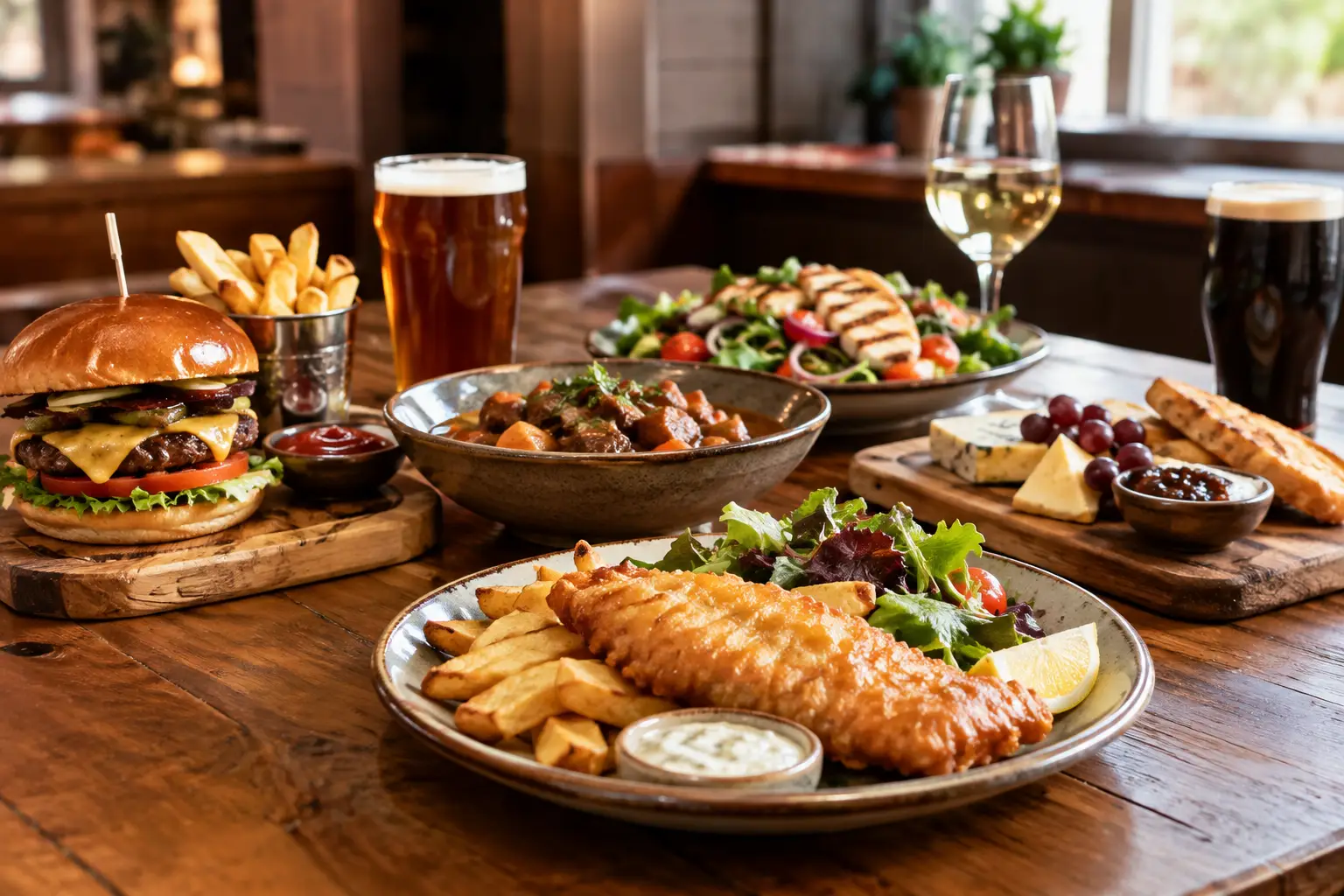
At The Merry Fiddlers, the pleasure of a drink is often in how it sits alongside the meal as much as how it tastes on its own. Real ale has a natural place with classic British dishes. The caramel and toasted malt character of a best bitter can work beautifully with a roast, pie or sausages, while a lighter golden ale can lift fish, chicken or a fresh seasonal salad.
Craft beer offers equally useful pairing options. A crisp lager can refresh the palate alongside richer food. A citrus-led pale ale may complement grilled dishes or a burger, while a dark stout can be excellent with slow-cooked beef or a chocolate dessert. The best match is not about rules. It is about balance: lighter dishes usually welcome brightness and freshness, while deeper, savoury flavours can carry more malt, roast and richness.
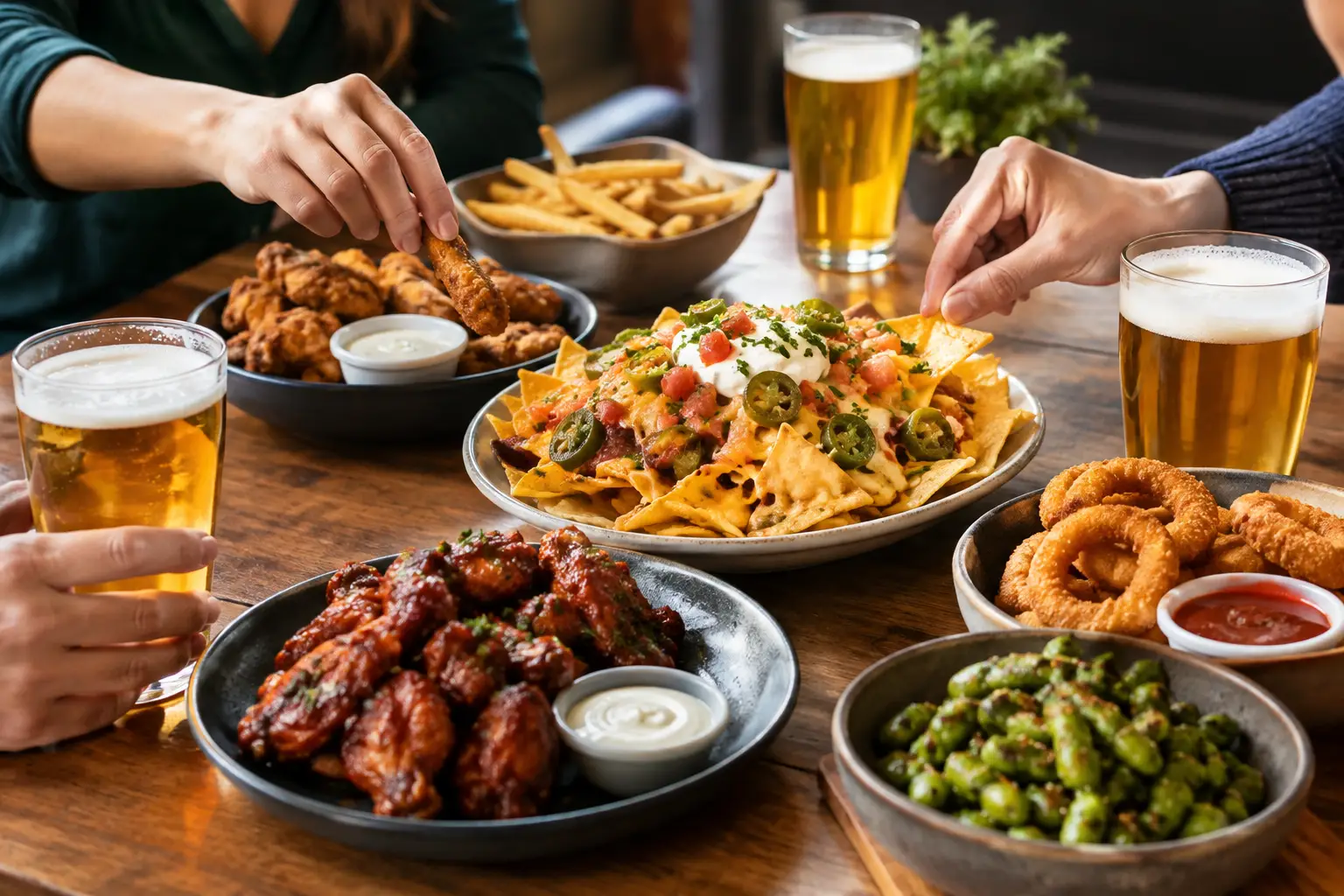
If you are sharing starters or ordering a few courses, a lower-strength session ale is often a sensible choice. It lets you enjoy the flavour without tiring the palate. For a celebratory meal, trying something more unusual by the glass or can can add a little occasion to the table.
Choosing your next pint
Start with the experience you want. If you fancy a traditional pub pint with gentle carbonation, an easy-drinking pace and flavours that reward a little attention, try a cask real ale. If you are curious about newer hop varieties, bolder aromas or a specific modern style, a craft beer could be the better fit.
Strength is worth considering too. Many real ales sit at approachable ABVs, making them well suited to a longer lunch or an afternoon in the garden. Craft beer covers everything from low-alcohol pale ales to stronger double IPAs, so it pays to check before ordering a second.
The useful thing to remember is that your preference can change with the weather, the menu and your mood. A traditional bitter after a walk, a cold pale ale on a warm evening, or a dark beer beside the fire all have their moment. Ask the team what is pouring well, choose something that sounds enjoyable, and give yourself permission to have a favourite without making it a rule.