
Use this à la carte dining guide to choose with confidence, pace your meal and enjoy thoughtful food, good wine and relaxed dining at a fine country pub.
A good à la carte dining guide begins with a simple thought: your meal should suit the moment. Whether you are settling in after a walk, catching up with friends over a bottle of wine, taking the family out, or marking a birthday, ordering from an à la carte menu gives you the freedom to make the occasion your own.
Unlike a fixed menu, à la carte dining lets you choose each course individually. That means you can keep things light with a starter and a glass of something chilled, enjoy a proper three-course evening, or go straight for the dish that has caught your eye. There is no single right way to order well - only a few useful things to consider before you begin.
What does à la carte dining mean?
À la carte is a French term meaning that dishes are ordered separately, with each item carrying its own price. Rather than selecting from a set number of courses for one overall cost, you decide exactly what goes on your table.
It is a style of dining that rewards choice. You might begin with a classic starter, choose a seasonal main prepared with care, then finish with pudding and coffee. Or you may prefer to share a few smaller plates, have one satisfying main course and leave room for a good pint in the garden. The menu is there to give you options, not rules.
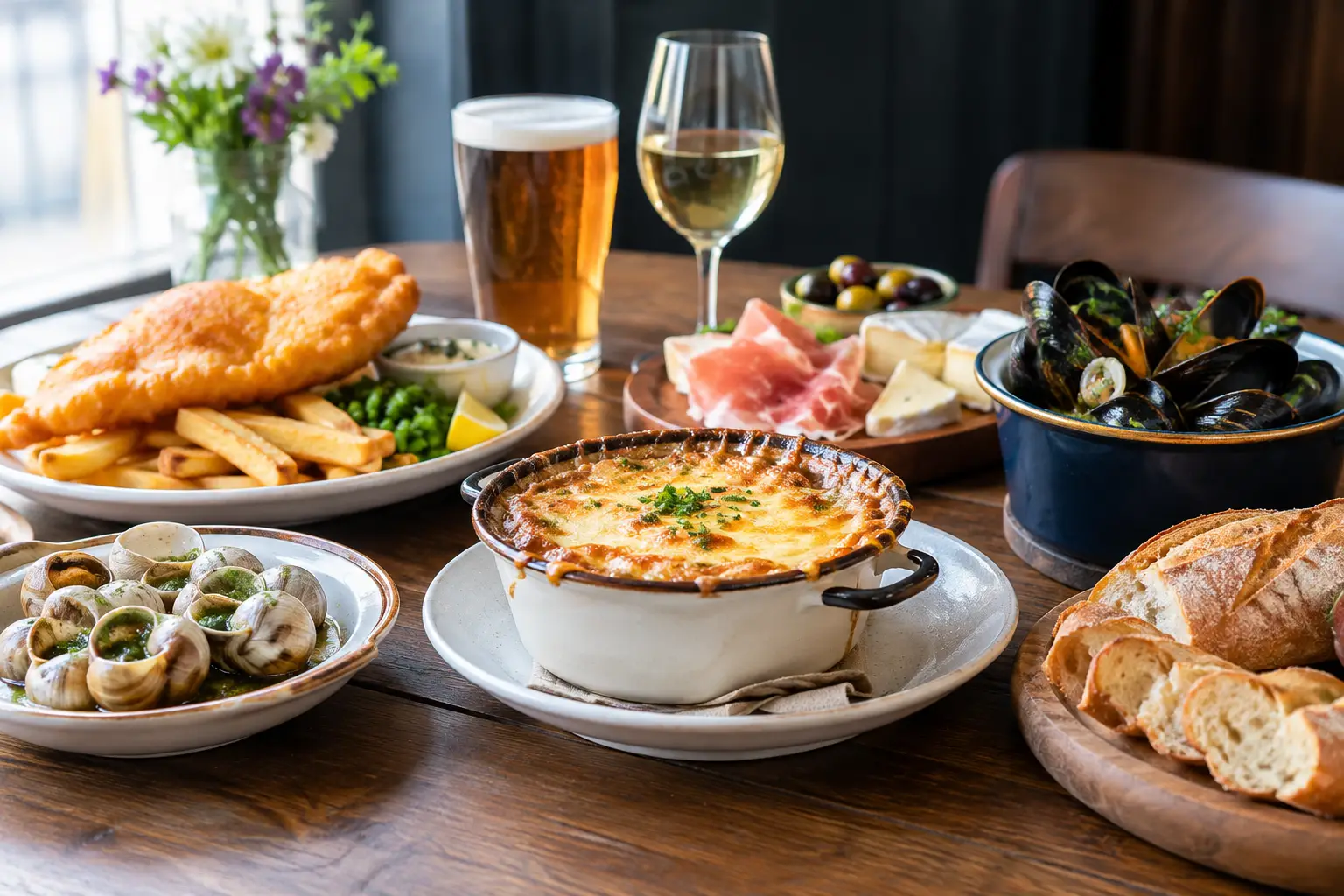
At its best, à la carte dining brings together the comfort of a welcoming pub and the considered cooking of a restaurant. Familiar ingredients can sit alongside French and English techniques, presented with a little more polish but never made fussy.
An à la carte dining guide for choosing your meal
The easiest way to order is to think about your appetite before you think about every tempting dish on the page. If you have arrived hungry and have time to relax, three courses can make an evening of it. If you are meeting for a midweek supper or joining family with children, a main course followed by a shared dessert may be just right.
A starter should build anticipation, not leave you too full for the main event. Lighter choices often work well before richer mains, while a heartier starter can be a satisfying option if you want to keep your main course simpler. There is no need to order every course simply because it is available.
When choosing a main, consider what kind of meal you are after. A carefully cooked fish dish or a fresh salad can suit a lighter lunch. A roast, steak or slow-cooked dish may be exactly what a chilly evening calls for. Seasonal ingredients are usually worth noticing too, as they often reflect what the kitchen is particularly excited to serve at that time of year.
If you are dining as a group, a little variety around the table makes the meal more enjoyable. One person may be drawn to a classic pub favourite, another to something with a more continental influence. That is part of the pleasure: everyone gets the dish they genuinely fancy, while there is still plenty to talk about when the plates arrive.
Let the occasion set the pace
A quick lunch and a long Saturday evening need different approaches. For a shorter visit, choose dishes that feel complete without too much waiting between courses. If you are celebrating, give yourselves time. Start with drinks, enjoy a course at a time and resist the urge to rush through the meal.
Good service should help set that rhythm. If you would like a pause before pudding, say so. If you are heading to a show, collecting children or have a taxi booked, let the team know early. Hospitality is at its best when it feels attentive rather than hurried.
Read the menu with confidence
Menus can sometimes sound more formal than the food feels. A dish description is there to tell you the main ingredients and the style of cooking, but you should always feel comfortable asking a question. Staff can explain what comes with a dish, how it is prepared, whether it is particularly rich or light, and what may work well alongside it.
This is especially useful when two dishes appeal equally. Asking which is more substantial, which has a bit of heat, or which is a current favourite can help you make a decision without overthinking it. A good recommendation should be honest, based on what you enjoy rather than what sounds most impressive.
Be open to a little contrast. If your starter is creamy or rich, a brighter main with herbs, vegetables or citrus can keep the meal balanced. If your main is comforting and hearty, a fresh dessert or a scoop of ice cream may be a better finish than another heavy course. Equally, sometimes the right choice is the indulgent one. A celebratory meal does not need to be sensible from start to finish.
Pairing drinks without making it complicated
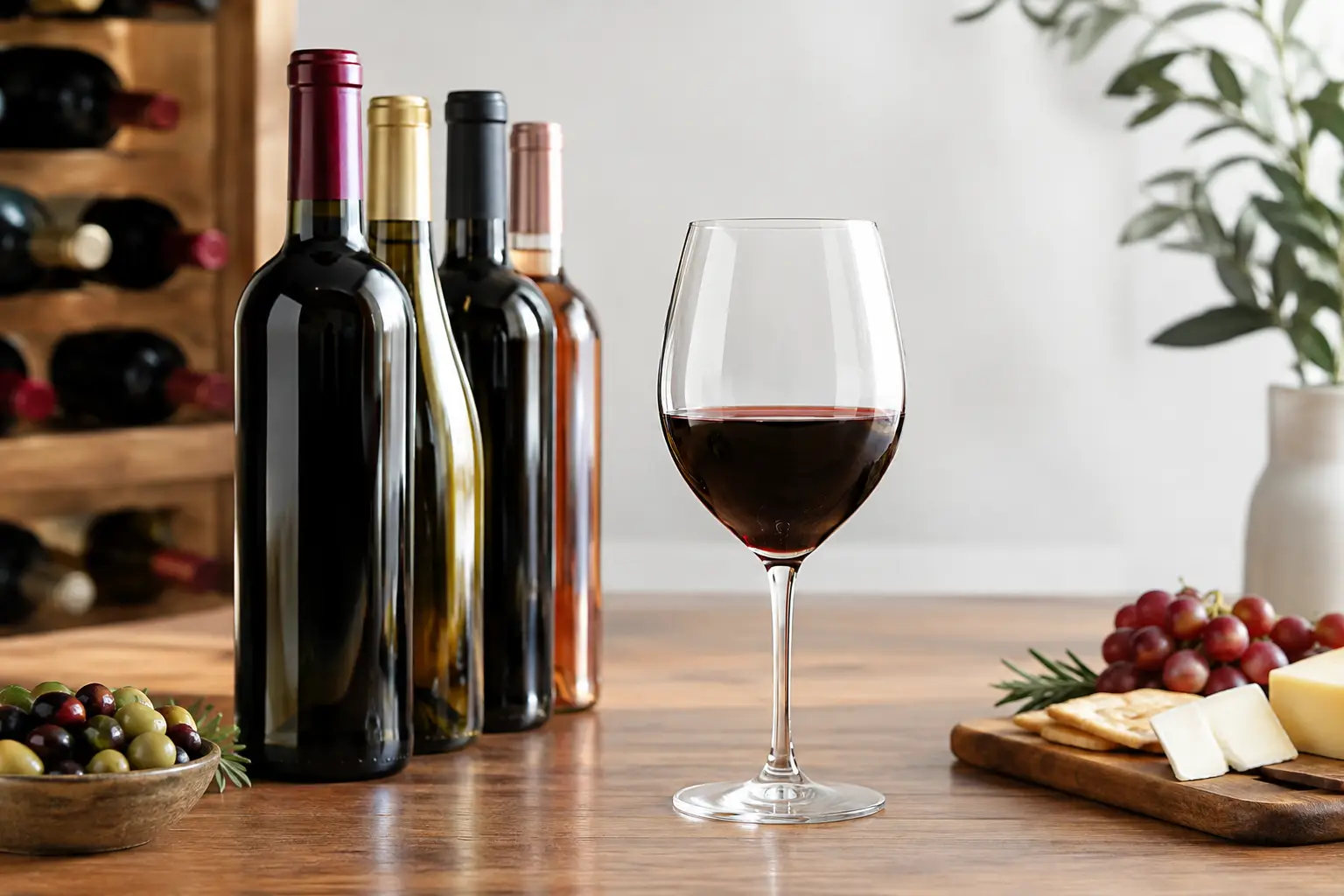
The best drink pairing is usually the one you will enjoy. A crisp white wine can complement fish, chicken and lighter dishes, while a fuller red often sits well with beef, game and slow-cooked meats. Rosé is a relaxed middle ground for many meals, particularly when the table has ordered a mix of dishes.
Beer deserves just as much consideration. A real ale can be a lovely match for traditional British cooking, while a lighter lager or pale ale can cut through richer flavours. Cocktails are ideal for the start of the evening or a special occasion, and a fresh coffee can turn dessert into a reason to linger a little longer.
You do not have to pair every course. One bottle shared over the table, a pint with a main, or a soft drink chosen with care can be all a meal needs. The point is to complement the food and the company, not to follow a formula.
Dietary needs and family dining
À la carte dining should still feel easy when you have dietary requirements. Tell the team about allergies or intolerances when booking where possible, then mention them again when you order. This gives the kitchen the best opportunity to guide you towards suitable choices and prepare your food with proper care.
For families, flexibility is one of the great advantages of ordering from a broad menu. Adults can enjoy a more leisurely meal while younger diners have something familiar and satisfying. Sharing sides can work well for the table, particularly when everyone wants a little taste of something extra.
Dog owners, walkers and groups meeting after a busy day often want the same thing: good food, a proper drink and room to relax. A country pub setting gives you permission to make the visit as casual or as special as you like.
When a set menu may be the better choice
À la carte is ideal when choice matters most, but it is not the only way to dine. A set menu can be excellent for larger groups, occasions with a clear budget, or meals where you would rather make fewer decisions. It can also offer very good value when you know you want several courses.
The trade-off is flexibility. If one guest has a particular favourite or dietary preference, an à la carte menu may provide more room to choose. For a birthday, anniversary or relaxed date night, that freedom often makes the meal feel more personal.
At The Merry Fiddlers, the pleasure is in finding the balance: classic pub warmth, thoughtful cooking and the space to enjoy your own kind of occasion. Choose what you genuinely fancy, ask when you are unsure, and give yourselves enough time to enjoy the table. The best order is the one that leaves everyone happy to stay for one more drink.