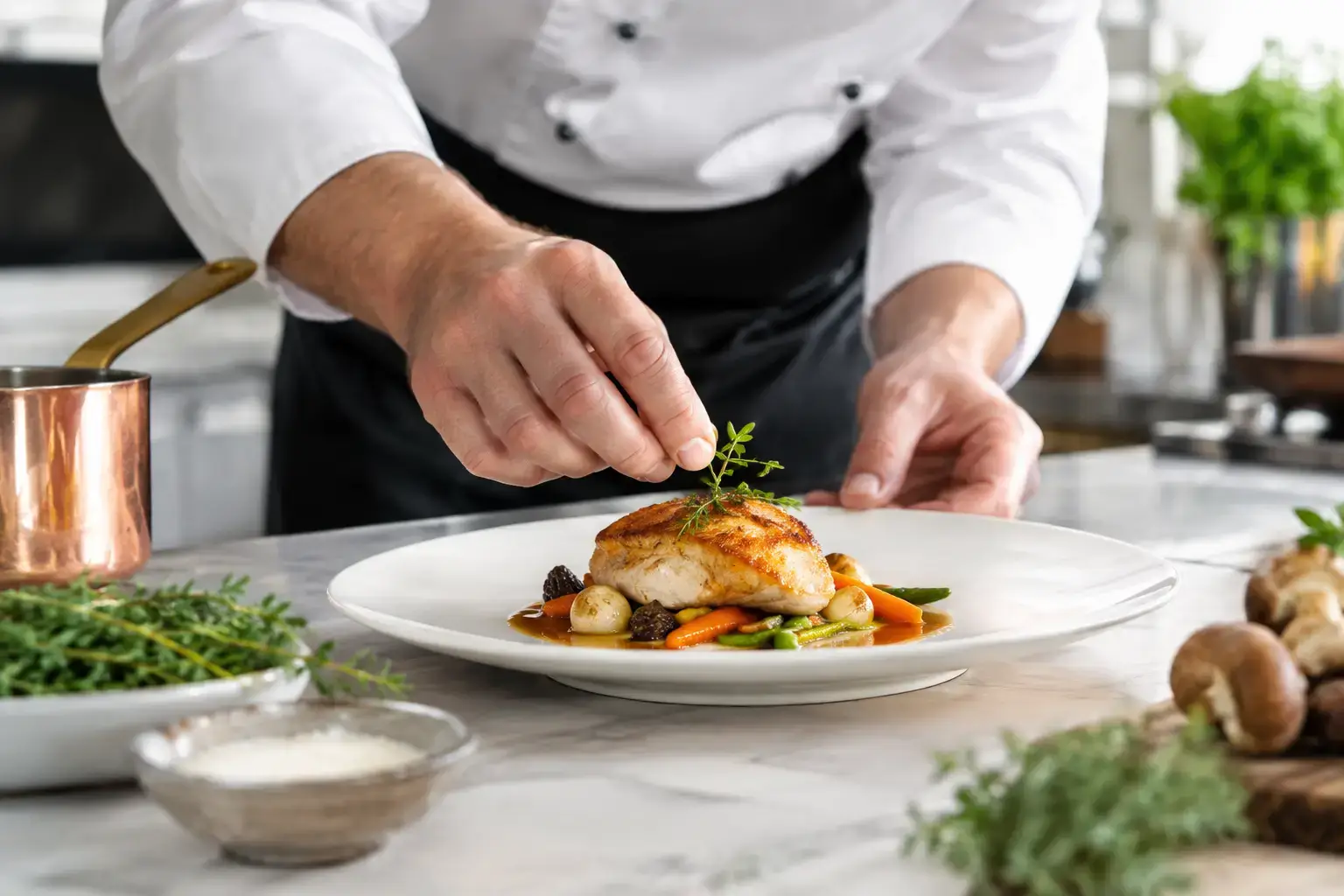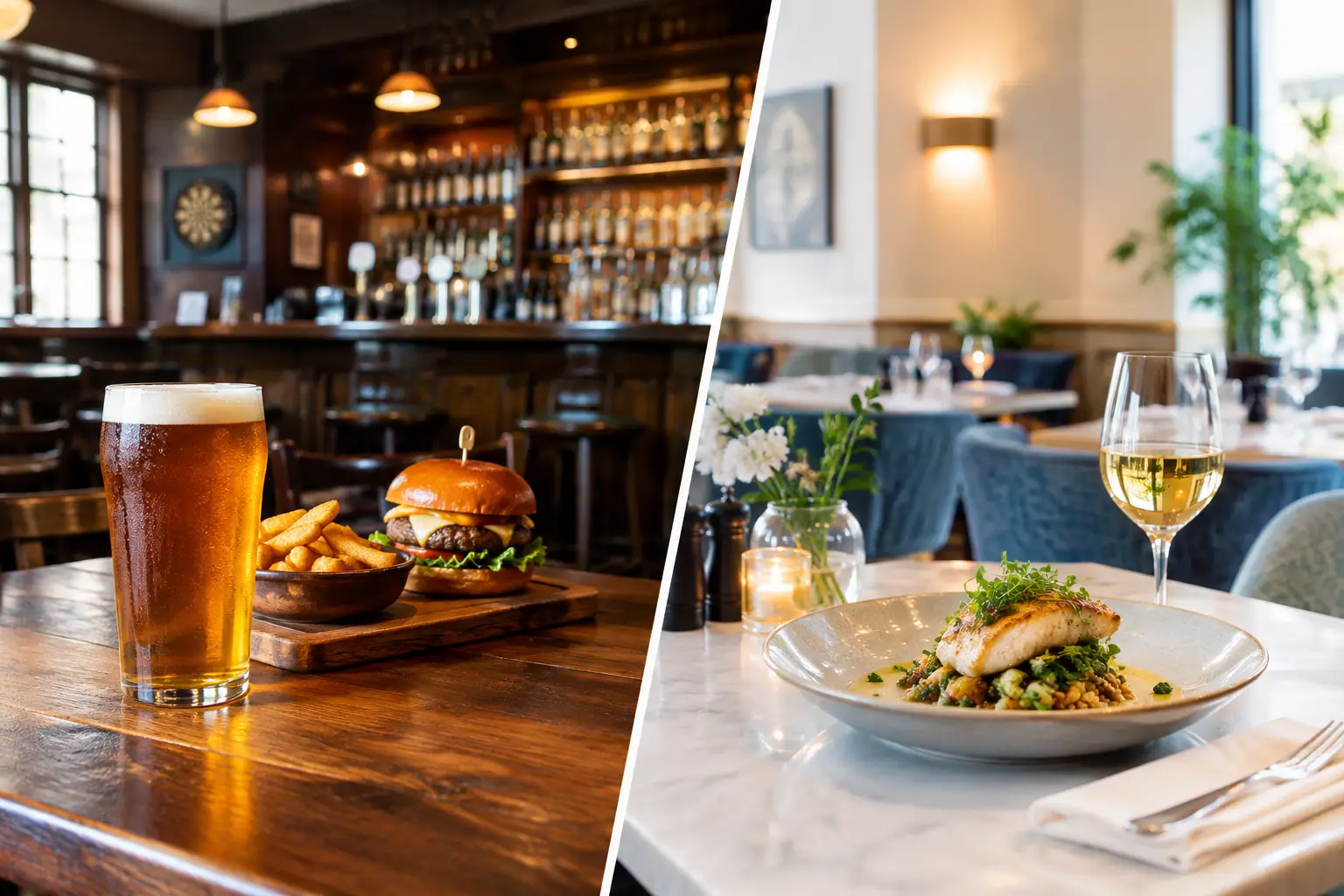

This corporate lunch case study shows how a well-planned midday meeting brings colleagues together with good food, time to talk and thoughtful service.
A corporate lunch should not feel like a meeting squeezed between emails. Done well, it gives people time to talk properly, recognise good work and return to the office feeling looked after. This corporate lunch case study follows a typical local business booking and shows what makes the difference between a rushed meal and an occasion that genuinely supports the team.
The brief: a working lunch that still felt special
The organiser was arranging lunch for 18 colleagues following a morning planning session. The group included senior managers, client-facing staff and newer team members, so the lunch needed to feel professional without becoming overly formal. They wanted a setting close enough to Epping for an easy journey, a clear budget, food that would suit different tastes and enough space to talk without competing with a busy bar.
The timing mattered as much as the menu. A two-hour slot sounds generous on paper, but it soon disappears when guests arrive at different times, settle in, order drinks and wait for food. The organiser’s real aim was simple: everyone should be seated promptly, enjoy a proper lunch and have time for relaxed conversation before heading back.
This is a common challenge for businesses. A boardroom buffet may be efficient, but it rarely gives a team a change of scene. On the other hand, a lengthy restaurant meal can be difficult to manage if the service is not planned around the group’s schedule. The right venue sits comfortably between those two options.
How the corporate lunch was organised
The most useful first step was confirming the practical details before discussing every dish. The venue needed a firm guest number, the arrival and departure times, dietary requirements, whether drinks would be hosted, and a named contact who could make decisions on the day. With those points agreed early, the organiser could keep communication simple and avoid last-minute uncertainty.
A pre-order was chosen for the main course, with a short selection designed to offer choice without slowing down the kitchen. This approach works particularly well for groups of 12 or more. Guests still feel that they have selected their own meal, while the kitchen has the information needed to prepare and serve consistently.
Dietary needs were gathered alongside the pre-order rather than treated as an afterthought. Vegetarian, vegan and gluten-related requests are easier to accommodate when the team has notice. It also avoids the uncomfortable moment when one guest has to explain their needs across the table while everyone else is ready to order.
Drinks were handled in two parts. Water was ready on the table, while a modest welcome drink was offered on arrival. This gave the group a friendly start without turning a working lunch into a long drinks reception. For some businesses, a single drinks tab is the easiest option. Others prefer guests to pay separately after the welcome drink. Neither is wrong, but clarity beforehand keeps the bill straightforward.
Why a set menu made sense
For this group, a carefully chosen set menu was a better fit than full à la carte ordering. It helped control spend, made the schedule more predictable and reduced the number of decisions guests needed to make after a busy morning.
That said, a set menu is not always the best answer. If the group is small, the lunch is intended as a reward, or guests are entertaining an important client, more freedom of choice may be worth the additional time. The key is to match the format to the purpose of the gathering, not simply choose the cheapest or quickest route.
The room changed the tone of the afternoon
The group was seated in a dedicated area rather than placed across several tables. This gave the lunch a clear sense of occasion and allowed colleagues who do not usually work together to share the same conversation. It also made space for a short welcome from the manager before food was served.
A country pub and restaurant setting offered something the office could not: warmth, comfortable surroundings and a chance to step away from the working day without travelling far. At The Merry Fiddlers, that balance is part of the appeal. Historic character, generous hospitality and restaurant-quality food can make a business lunch feel considered rather than corporate for its own sake.
The room should always fit the group’s purpose. A private space is valuable when confidential matters are being discussed or when a presentation is planned. For a more informal team lunch, a quieter table or section of the restaurant may be all that is needed. Outside dining can be a lovely option in fine weather, although it is wise to have a covered alternative in Britain.
Service was planned around the agenda
The successful part of this corporate lunch case study was not one dramatic gesture. It was the steady coordination of small details. Staff knew when the group was due to arrive, which dishes were pre-ordered and when the organiser hoped to speak. Food was served promptly, but no one felt hurried through dessert or coffee.
The lunch followed a sensible rhythm. Guests arrived and settled with drinks. The host gave a brief introduction while everyone was together. Main courses followed, then a short period of unstructured conversation. Coffee was served near the end, providing a natural point for the group to gather their things and prepare to leave.
For business groups, service should be attentive without interrupting the table. Regular clearing, discreet drink checks and clear communication with the organiser are more useful than frequent interruptions. A good host should not need to search for someone when the schedule changes or a guest has a question.
The value of a realistic running order
An organiser can improve the whole experience by sharing a simple running order with the venue. It does not need to be complicated. Arrival time, any welcome remarks, desired service time and departure time are usually enough.
Allow a little flexibility, especially if guests are travelling from different offices or appointments. A lunch planned to the minute can unravel quickly when traffic, calls or meetings overrun. Building in ten or fifteen minutes of breathing room is often the difference between a calm occasion and a pressured one.
What the organiser would repeat next time
The lunch worked because it had a clear purpose and the arrangements supported it. People had time to speak to colleagues beyond their usual team, the host could thank everyone properly, and the afternoon did not lose momentum. There was no need for elaborate entertainment or a complicated schedule.
The organiser would keep the pre-order, the shared table and the early confirmation of dietary requirements. They would also book earlier. Popular dates, particularly Fridays and the weeks leading up to Christmas, can fill quickly. Private areas and preferred dining times are best secured as soon as the date is known.
There were a few useful lessons, too. Not every business lunch needs three courses, particularly where time is tight. In that situation, two courses with coffee can feel more generous than a rushed third course. Equally, if guests are travelling a distance or the lunch marks a major achievement, allowing extra time for dessert and a final drink can be well worthwhile.
Planning your own corporate lunch
Start with the reason for gathering. Is the lunch for a client conversation, a team thank-you, a strategy session or a milestone? That answer should guide the room, menu and level of formality. Then confirm numbers, budget and dietary requirements early, and choose one person to coordinate the final details with the venue.
A good corporate lunch does more than put food on the table. It gives people the time and setting to feel valued, exchange ideas and enjoy one another’s company away from the usual routine. Choose a venue that understands both the schedule and the occasion, and the lunch can become one of the most useful hours in the working week.