French cuisine brings care, flavour and timeless technique to the table. See why its classic principles still shape relaxed, memorable dining locally.
A beautifully crisp potato, a rich sauce spooned over perfectly cooked meat, a tart that balances butter with sharp fruit - French cuisine has a way of making a meal feel considered without making it feel fussy. Its influence reaches far beyond formal dining rooms. It is found in the comforting dishes people return to, the careful seasoning that makes simple ingredients sing, and the pleasure of sitting down to food made with real attention.
For diners, that matters. A meal out should offer more than a full plate. It should feel generous, welcoming and worth gathering for, whether it is a relaxed lunch with the family, dinner for two, or a table filled with friends celebrating something special.
What French cuisine brings to the table
French cooking is often associated with grand restaurants, elaborate presentation and long menus. There is truth in its reputation for precision, but that is only part of the story. At its heart, French cuisine is built on understanding ingredients and treating them properly.
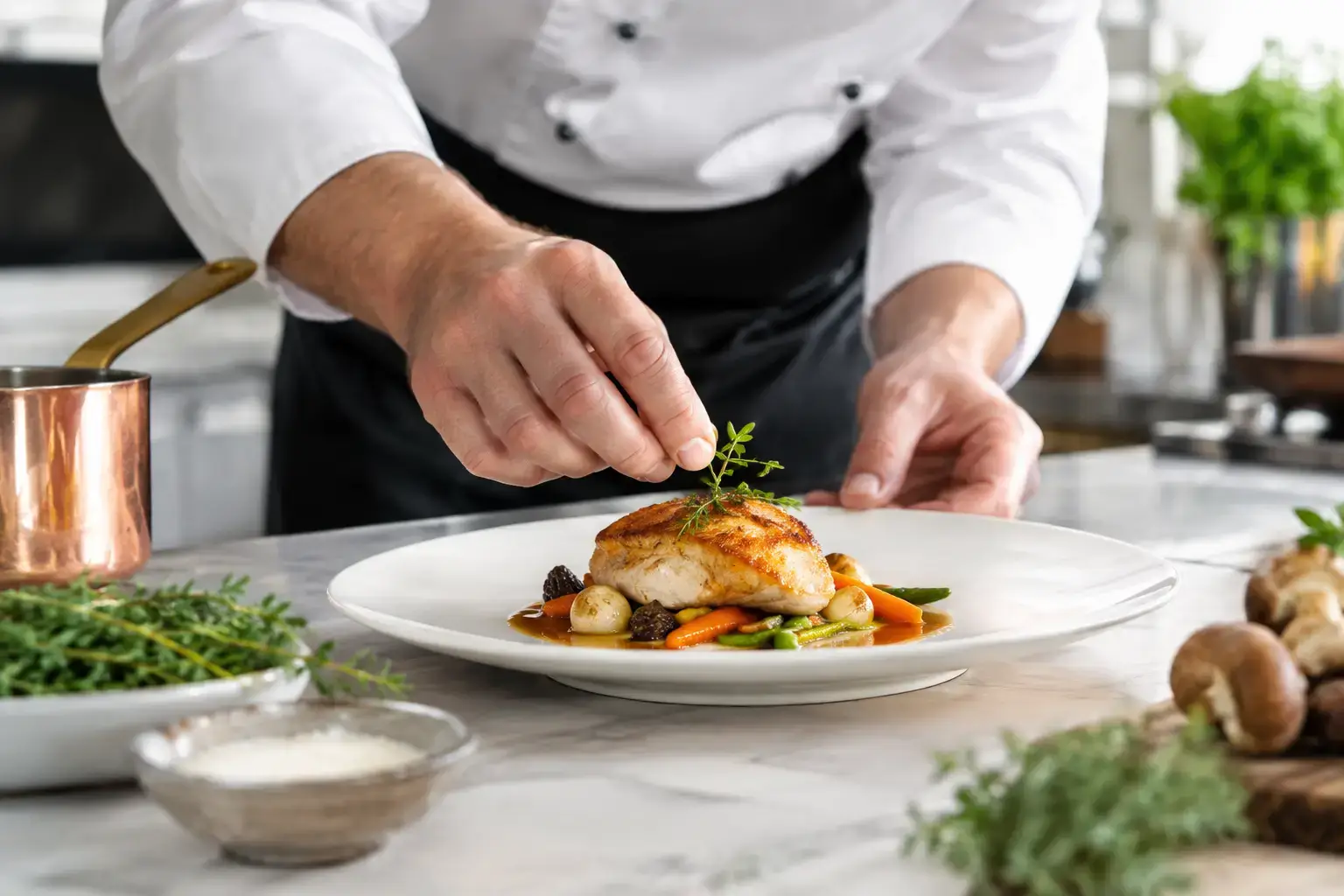
Classic techniques such as roasting, braising, poaching and pan-frying are not showy tricks. They are practical ways to bring out flavour and create the textures we enjoy most. A slow-cooked beef dish becomes tender and deeply savoury. A properly made jus adds richness without overwhelming the main ingredient. A simple piece of fish can become memorable with a light sauce, fresh herbs and careful cooking.
This is why French influence sits so comfortably beside British food. Both traditions value seasonality, good produce and dishes that offer genuine comfort. The best meals do not need unnecessary complication. They need a confident hand in the kitchen and the patience to get the details right.
Technique creates consistency
There is a reassuring quality to classic cooking. When a chef understands the foundations, a dish is more likely to arrive as it should: meat cooked well, vegetables full of flavour, sauces balanced and pastry with the right crispness.
That consistency is especially valuable when choosing somewhere to eat. Diners want the freedom to try something different, but they also want to know that the food will be prepared with care. French technique provides that dependable framework, while leaving plenty of room for a modern touch.
A velvety soup may be finished with a seasonal garnish. A traditional roast may be lifted with a bright wine sauce. A familiar pudding may gain a little extra character through fresh fruit, proper vanilla or a warm caramel finish. The method is classic; the experience can still feel fresh.
French cuisine is not only for special occasions
There is a lingering idea that French food should be saved for anniversaries and formal celebrations. In reality, many of its best-loved dishes are made for sharing and settling in. Think of baked cheese with crusty bread, a hearty casserole, golden fries beside a steak, or a rich chocolate dessert shared over coffee.
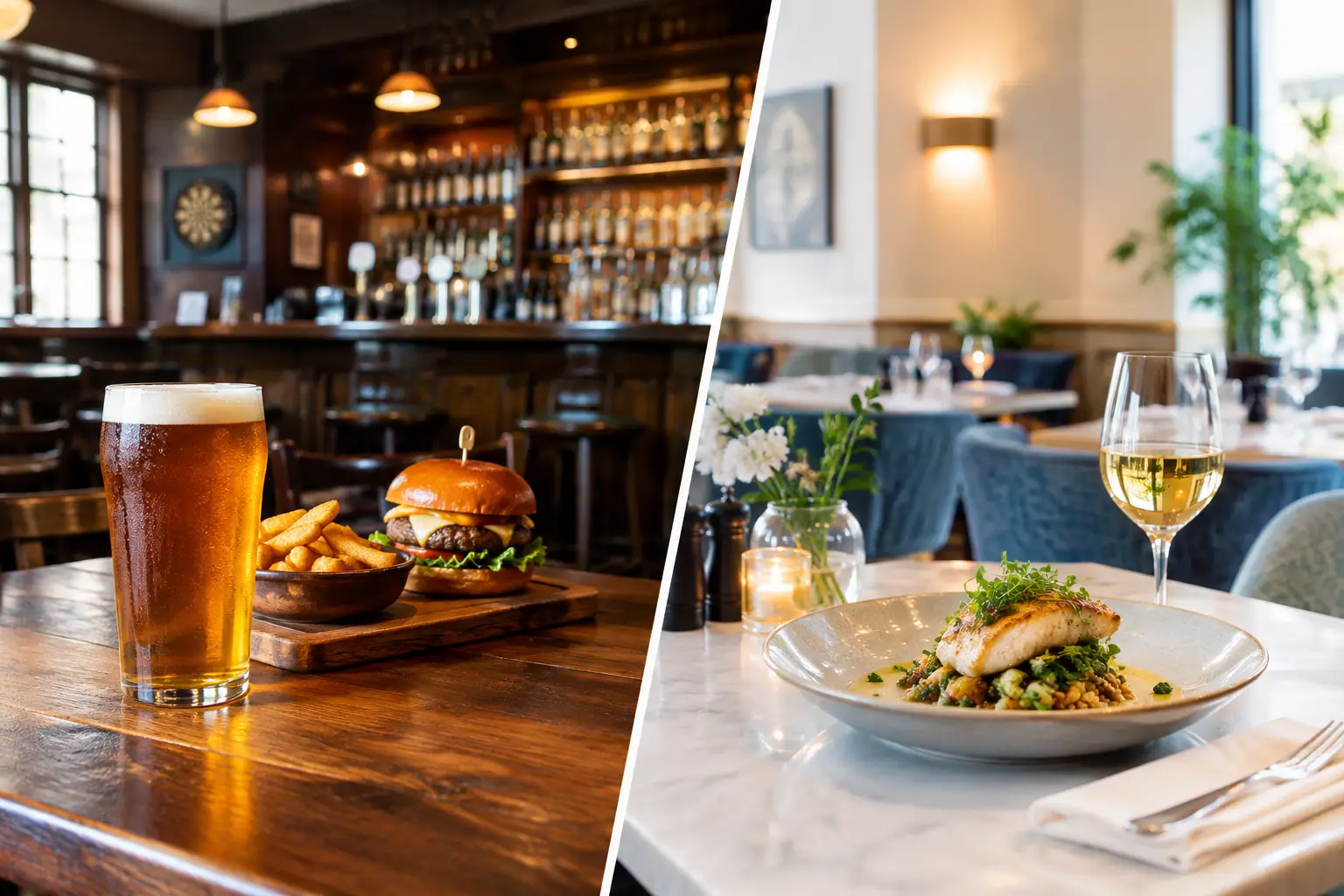
The difference lies in the care behind the food, not in how stiffly the table is set. A good French-inspired menu should work just as well for a midweek supper as it does for a birthday meal. It can feel polished without losing the ease that makes a country pub visit so enjoyable.
That balance is particularly appealing for families and groups. Not everyone at the table wants the same thing, and a successful menu needs range. Some guests may prefer a lighter fish dish or a crisp salad. Others may be looking for a comforting steak, a burger done properly, or a warming pudding. French culinary principles can support all of these choices because they are about flavour, balance and preparation rather than one narrow style of dining.
The quiet skill behind great sauces
If there is one element that shows the character of French cooking, it is the sauce. A well-made sauce should complement the plate, not cover it. It brings together the meat, fish or vegetables, adds moisture and depth, and gives the dish a sense of completeness.
This can be as simple as a butter sauce brightened with lemon, a red wine jus with a roast, or a peppercorn sauce alongside steak. The best versions have balance. They are rich, but not heavy. They have enough seasoning to be interesting, yet allow the main ingredient to remain the star.
Sauces take time and judgement. Stocks need to be developed, reductions watched, seasoning adjusted at the right moment. It is not always the quickest way to cook, which is exactly why it still makes a difference when eating out. The small details are often what turn a pleasant meal into one people talk about on the journey home.
Butter, wine and herbs - used with purpose
French cuisine has a reputation for generous ingredients, and butter and wine certainly have their place. Used well, they create roundness, richness and aroma. Used carelessly, they can make a dish feel heavy.
Modern French-inspired cooking is often lighter than people expect. Fresh herbs, citrus, vegetables and careful portions bring contrast to richer elements. A creamy sauce may be paired with something sharp. A slow-braised dish may be served with greens or a crisp salad. It is this sense of balance that keeps traditional flavours relevant.
For guests, it means there is no need to choose between comfort and freshness. A thoughtfully composed plate can deliver both.
Why French and British cooking belong together
British pub food is at its best when it is honest, generous and made with quality ingredients. French cooking brings a useful layer of refinement to that idea. It encourages chefs to build flavour carefully, make the most of seasonal produce and pay attention to every part of the plate.
The result does not have to be overly formal. A classic British cut of meat can be served with a French-style jus. Locally loved vegetables can be roasted, glazed or folded into a gratin. A traditional dessert can take inspiration from French patisserie while still feeling familiar and comforting.
There is also a shared respect for convivial dining. Both food cultures understand that meals are not simply fuel. They are a reason to pause, catch up and spend time together. A long Sunday lunch, a bottle of wine with friends, or a warming supper after a walk all feel better when the food has been made with care.
At The Merry Fiddlers, that meeting point between traditional pub comfort and refined technique is part of what makes dining feel suitable for so many occasions. It is possible to enjoy food with a little extra polish while still relaxing in the easy-going surroundings of a historic local pub.
Choosing French-inspired dishes when you eat out
There is no single right way to order from a French-influenced menu. It depends on the occasion, the season and what you are hungry for. On a cold evening, slow-cooked meats, creamy mash and rich sauces are hard to beat. In warmer weather, fish, fresh vegetables and lighter herb-led dishes may feel more fitting.
It is worth looking for dishes that sound simple but require skill. A steak with a good sauce, a roast chicken dish, a fish fillet with seasonal vegetables, or a properly made tart can reveal far more about a kitchen than a plate crowded with too many components.
Dessert is also where French influence earns its place. A good crème brûlée, chocolate fondant or fruit tart offers a satisfying finish because it relies on contrast: crisp and creamy, warm and cold, sweet and sharp. These are familiar pleasures, but they are not accidental ones.
The best approach is to order what suits the moment. Choose something indulgent when it is a celebration. Keep it light when lunch calls for it. Share a pudding if you are lingering over conversation. Good food should fit around the occasion, not make the occasion feel forced.
French cuisine endures because it respects the things diners notice most: flavour, comfort, quality and care. The next time you choose a meal out, look for those quiet signs of thoughtful cooking. They are often the reason a simple dinner becomes an evening you will want to repeat.