Plan a memorable celebration with this guide to private dining occasions, from choosing the right setting and menu to welcoming every guest in comfort.
A birthday meal can feel quite different when everyone is squeezed around a noisy restaurant table. A retirement toast deserves more than a hurried corner seat. This guide to private dining occasions is for those moments when good food, familiar faces and a little breathing room turn a get-together into a proper occasion.
Private dining does not have to mean stiff service or an overly formal room. The best gatherings retain the ease of a favourite local pub while giving your group a setting that feels considered. Guests should be able to settle in, enjoy a drink and stay for the conversation, without worrying about who can hear whom or whether there is space for one more chair.
Which occasions suit private dining?
Private dining works particularly well when the people around the table matter as much as the meal itself. It gives a group time to celebrate, reconnect or simply enjoy each other’s company without the usual distractions of a busy dining room.
Milestone birthdays are an obvious choice, whether it is an intimate lunch for close family or an evening celebration with friends, colleagues and neighbours. Anniversaries, engagements, baby showers and christenings also benefit from a dedicated space, especially where different generations are coming together.
It is just as valuable for life’s quieter landmarks. A family gathering after a funeral, a graduation meal, a retirement send-off or a reunion often calls for a warm room, attentive service and food that lets hosts focus on their guests. For businesses, private dining provides a relaxed alternative to a boardroom for team meals, client lunches and Christmas parties.
The occasion does not need to be grand to justify booking a private space. Sometimes the reason is simply that twelve friends have not been in the same room for far too long.
Start with the feeling you want to create
Before choosing a menu or sending invitations, decide how you want the gathering to feel. A long Sunday lunch with children and grandparents needs something very different from a lively evening of cocktails and birthday speeches.
For a relaxed family occasion, look for comfortable seating, flexible food choices and a venue where younger guests are genuinely welcome. If you are planning an anniversary or engagement dinner, atmosphere may take priority: a beautifully dressed table, a more refined menu and time between courses can make the evening feel special without becoming fussy.
The setting matters, too. A historic country pub brings warmth and character that a blank function room cannot replicate. At The Merry Fiddlers, traditional pub hospitality sits comfortably alongside restaurant-quality food, making it possible to host a polished celebration that still feels easy-going.
Think about the practical side from the outset. Is step-free access needed? Are guests travelling from different parts of Epping and the surrounding area? Will anyone bring a pram, require a high chair or have a dog with them before or after the meal? The more clearly you can picture your guests’ day, the easier it is to choose well.
Choosing the right private dining space
A room should fit the group, not merely contain it. A small party can feel lost in a space designed for fifty people, while a large group in a tight room may spend the meal shuffling chairs and speaking over one another.
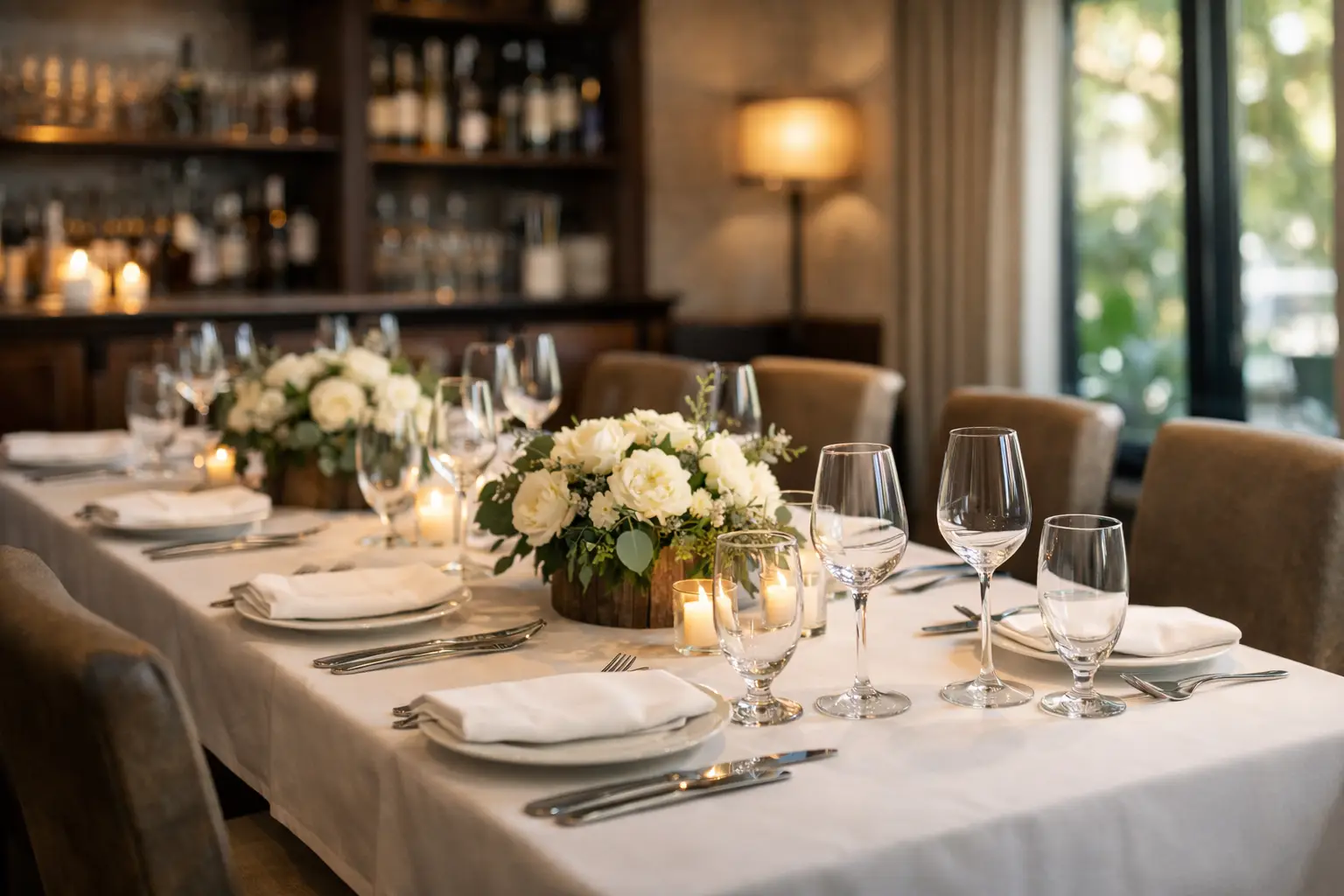
Ask about the ideal number of diners for the room, rather than just its maximum capacity. Also ask how tables can be arranged. One long table encourages a shared, celebratory feel, while several round or smaller tables give guests more space and often work better for mixed groups.
Privacy has shades. Some hosts want a completely separate room for speeches, presentations or personal family moments. Others simply want a quieter area with their own tables while still enjoying the atmosphere of the venue. Neither is better - it depends on the event and the personalities around the table.
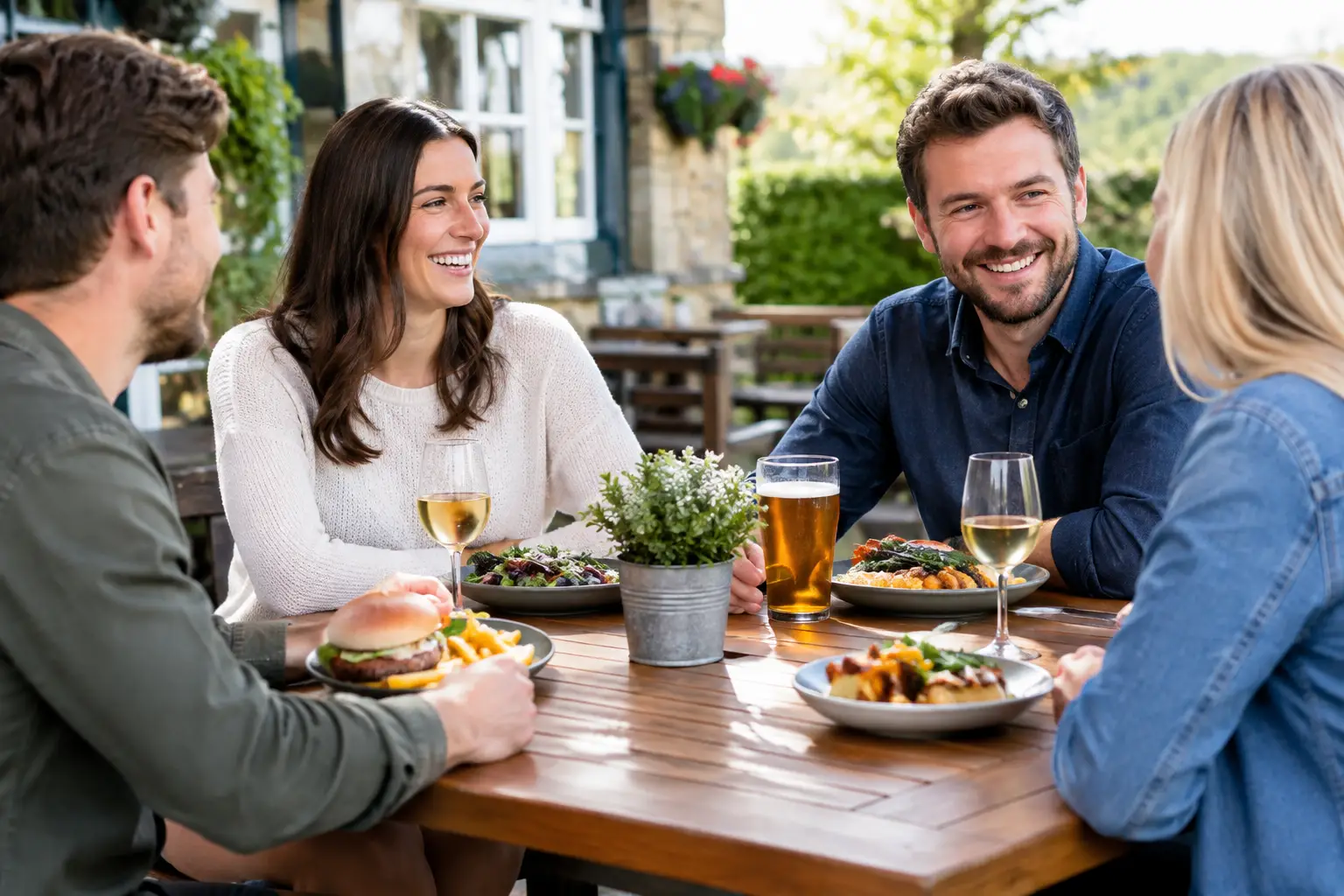
If you are considering drinks before dinner, find out whether there is somewhere guests can gather on arrival. In warmer weather, a beer garden can be a lovely starting point, particularly for afternoon celebrations. During cooler months, an inviting indoor space or a heated dining experience can provide the same sense of occasion without relying on the weather.
Food that suits the whole table
Food is often what guests remember longest, but the most impressive menu is not always the right one. For a family celebration, familiar dishes prepared with care can be more welcoming than an overly complicated tasting menu. For a smaller evening party, a few more indulgent courses may be exactly the point.
A set menu is usually the simplest route for larger groups. It helps the kitchen serve everyone at a similar pace and gives hosts certainty on the overall spend. The trade-off is less choice, so it is worth selecting options with broad appeal and checking dietary requirements early.
Sharing dishes can create a generous, sociable mood, particularly for informal birthday meals and reunions. Individually plated courses tend to suit more formal celebrations or business lunches, where timing and presentation matter. A good private dining team will talk through both approaches and advise what is realistic for your group size.
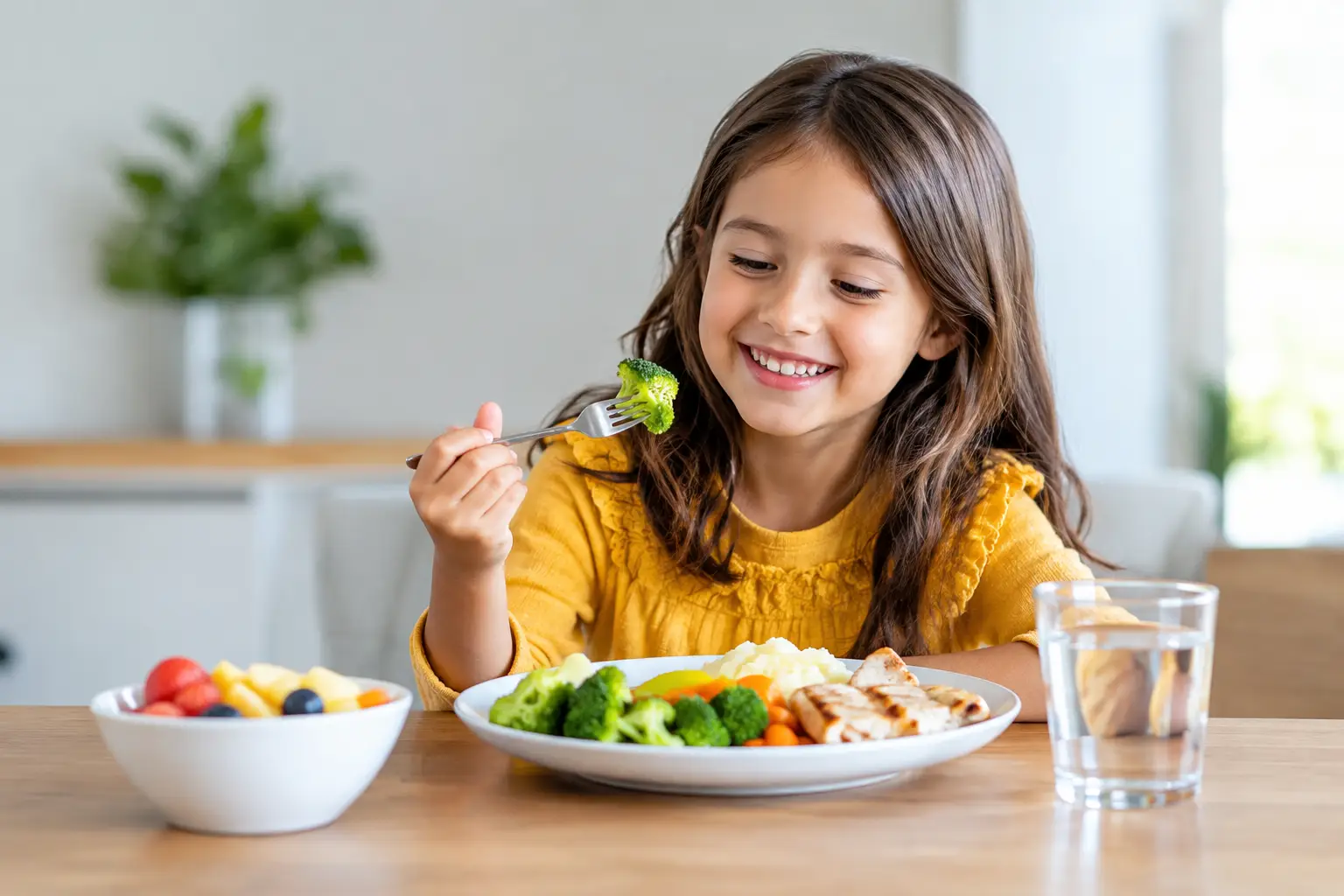
Do not leave dietary needs until the week of the event. Ask guests about allergies, vegetarian or vegan preferences, gluten requirements and any children’s meals as soon as invitations go out. Clear information allows the kitchen to prepare properly and means nobody has to feel singled out at the table.
Drinks, speeches and the pace of the occasion
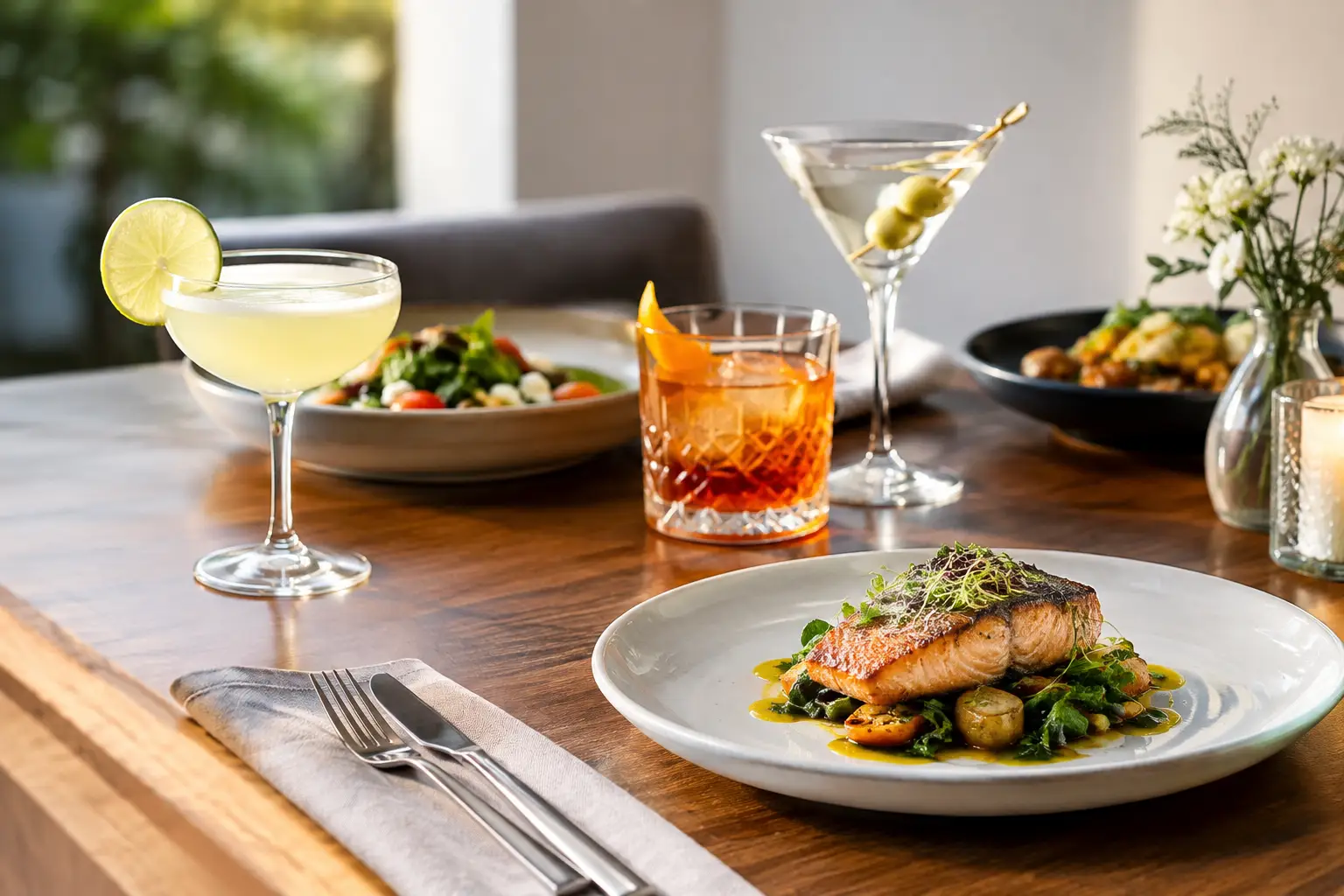
The details around the meal are what give a private event its rhythm. A welcome drink offers a natural opening while guests arrive at different times. Wine with the meal, a well-chosen real ale or a celebratory cocktail can add to the experience, but a thoughtful drinks plan should always include appealing alcohol-free choices and good coffee for the end of the evening.
If speeches are planned, tell the venue in advance. The team can help you choose a sensible moment, usually after guests have settled and before the room becomes too lively. Keep speeches short, warm and audible. A few sincere words will land better than a long programme that delays dinner.
Allow the gathering room to breathe. Trying to fit arrival drinks, three courses, cake, gifts and several speeches into two hours can make a celebration feel rushed. Equally, an extended meal may not suit young families or guests travelling home. Discuss a likely timetable with the venue, then leave a little flexibility for the conversations that run on.
A practical guide to private dining occasions
The smoothest events are planned in good time, but they do not need to become complicated. Start by confirming a likely date and guest range, then speak to your chosen venue before committing to invitations. Popular weekends, festive dates, Mother’s Day and key summer dates can book up quickly.
When making an enquiry, have a clear idea of your budget per person, whether drinks are included, and the level of privacy you would like. Ask what is covered in the booking, whether a deposit is required and when final numbers and menu choices are due. These are ordinary questions, and getting answers early avoids awkward surprises later.
A few weeks before the event, confirm the guest list and share dietary details. Decide whether you will bring a cake, table decorations, place cards or flowers, and check what the venue can accommodate. Simple touches are often enough: a favourite photograph, a handwritten menu message or a small bunch of seasonal flowers can make the table feel personal.
On the day, arrive a little ahead of your guests if you are hosting. You can check the table, leave any cards or decorations, and speak to the team about the running order. Once the first guests arrive, your job is no longer to manage the occasion. It is to enjoy it.
Make guests feel looked after
A memorable private meal is rarely about extravagant extras. It is about the aunt who feels comfortable bringing her walking stick, the friend whose dairy-free meal arrives without fuss, and the grandparents who can hear their grandchildren across the table.
Choose a venue that understands hospitality as more than serving courses. Good service notices when water needs topping up, gives a group time to talk and knows when to bring the next course without interrupting the moment. That quiet confidence lets everyone relax.
The best private dining occasions leave guests talking about more than the food, though excellent food certainly helps. Choose a space that feels right for your people, give the day enough time, and let the warmth around the table do the rest.